

When I first came to the Florida Keys several months ago, I had never been scuba diving. Growing up I’d seen divers in movies and documentaries, but for me it always seemed out of reach.
When I started the internship program at Coral Restoration Foundation as a land-based intern, suddenly I was surrounded by scuba divers. I kept asking my fellow interns one question: “How did you become a diver?”
I expected that many of them had been diving since they were kids. While that was true for a few, most of the other interns actually had very different diving origin stories. Some grew up in landlocked states, learning to dive in freezing lakes with low visibility. Others had only been introduced to scuba diving in the last couple of years at their respective colleges.
Yet, in one way or another, they all now found themselves as scientific diving interns working to restore coral reefs in the Florida Keys. I wanted to understand what led them to coral restoration and what moment transformed diving from a hobby into a pursuit of conservation.
I sat down with three other members of our intern team to find out.
Ella
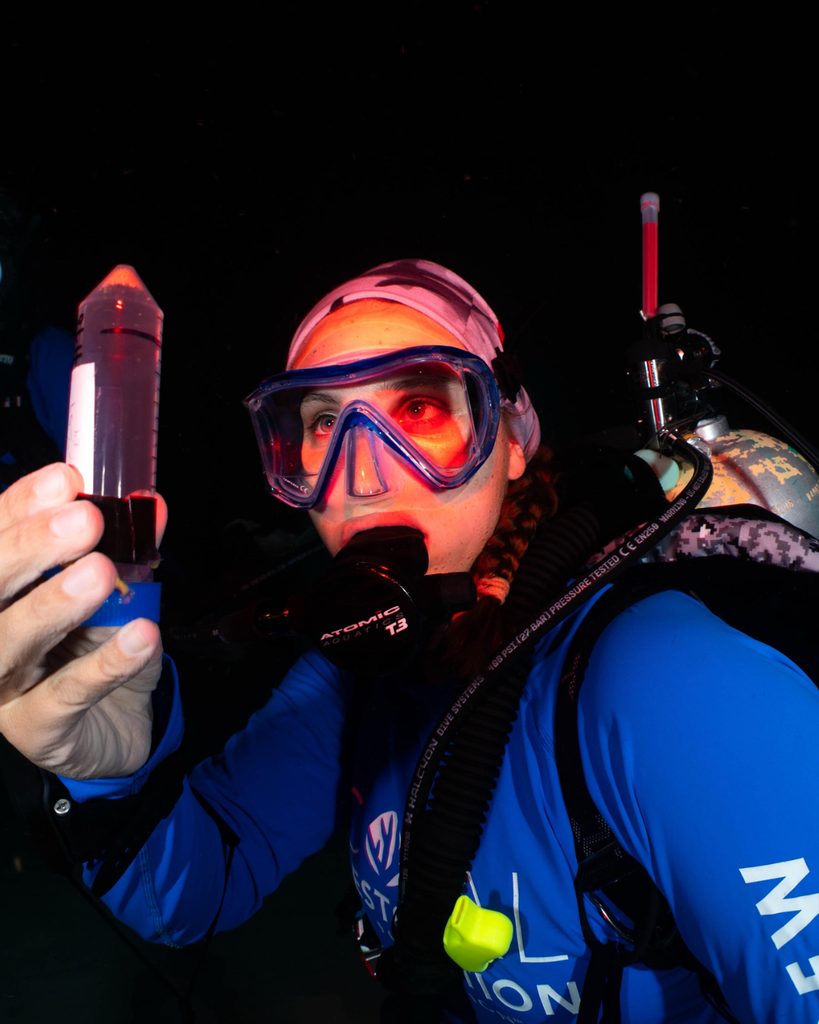
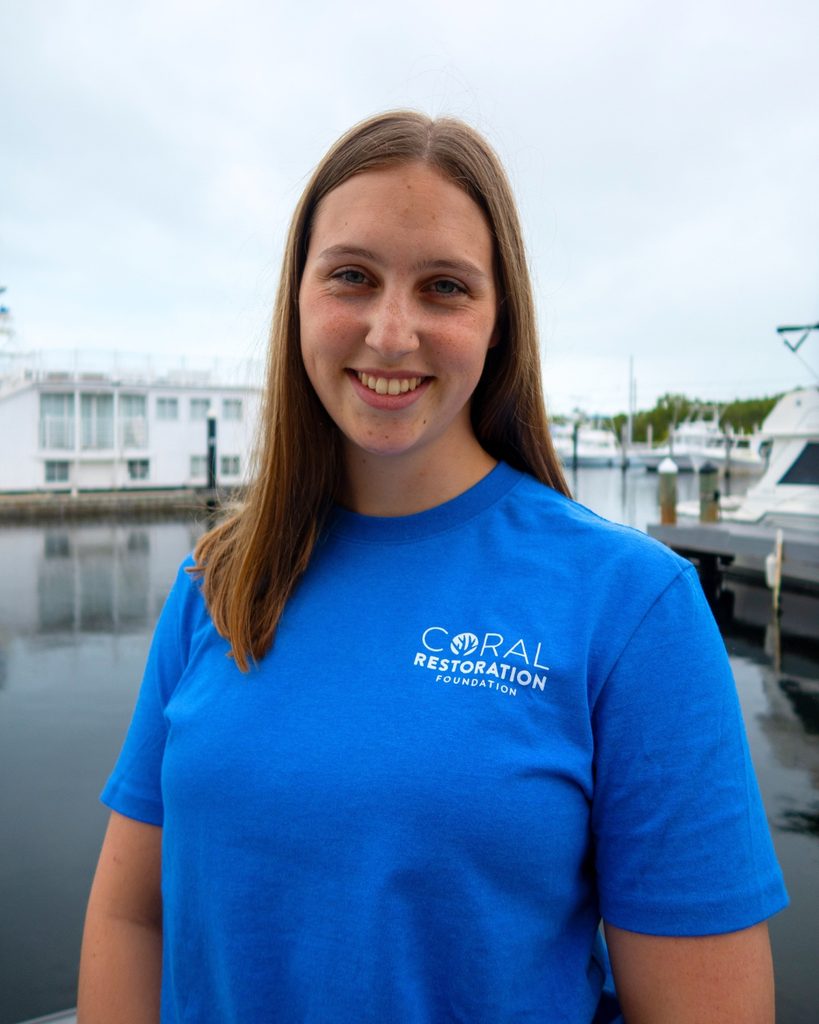
The first of my fellow interns I spoke with about scuba diving and coral restoration was Ella. She grew up in the water, practically swimming before she could walk, and continuing through college. For her, scuba diving felt like a natural next step. She compared her first experiences breathing underwater to looking into a real life aquarium.
“At an aquarium, you can stand in front of the glass and see the fish, plants, and animals, but you’re still standing outside of their world. Underwater, there is no glass. An aquarium is a two-dimensional experience, while diving turns the ocean into a three-dimensional space.”
Years later, Ella was part of a research expedition in the Gulf of Mexico working alongside scientific divers studying deep-water corals. She wasn’t allowed to touch the coral and had to watch as the other researchers worked with the specimens they had collected. Ella decided that watching wasn’t enough. She wanted to be down on the reef, to hold, sample, and work with what was being studied.
That experience led her to become a scientific diver, and today she gets to do hands-on coral restoration work as a CRF intern.
Wyatt
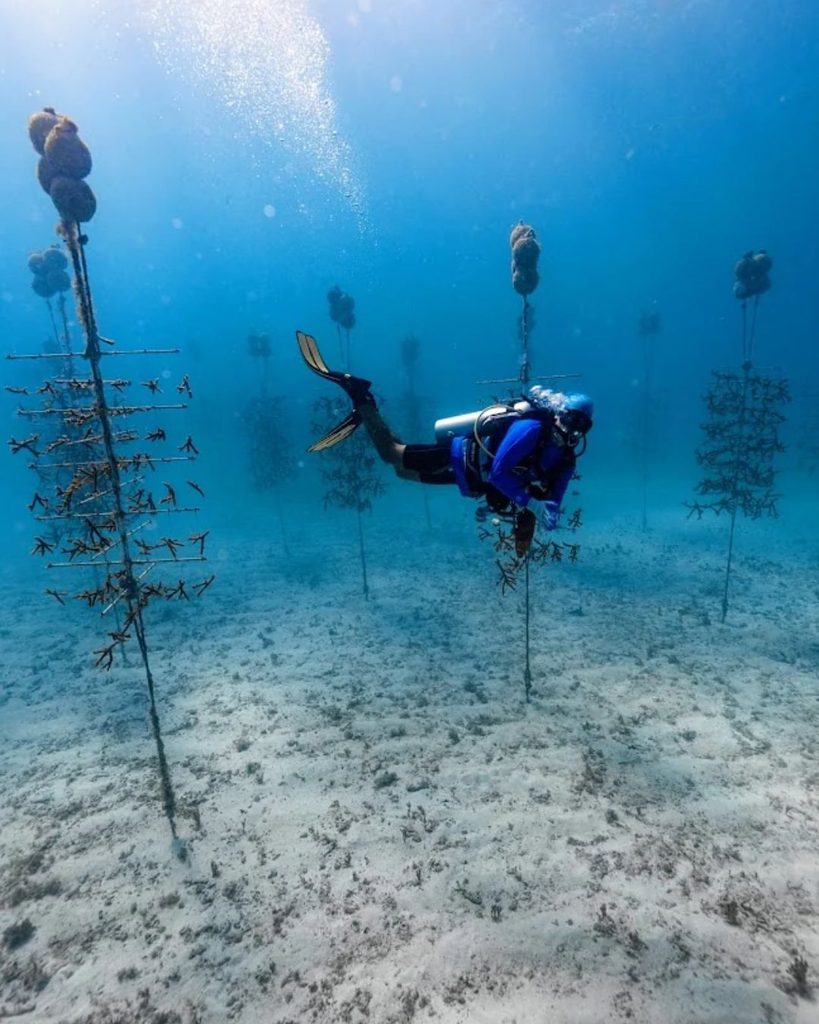
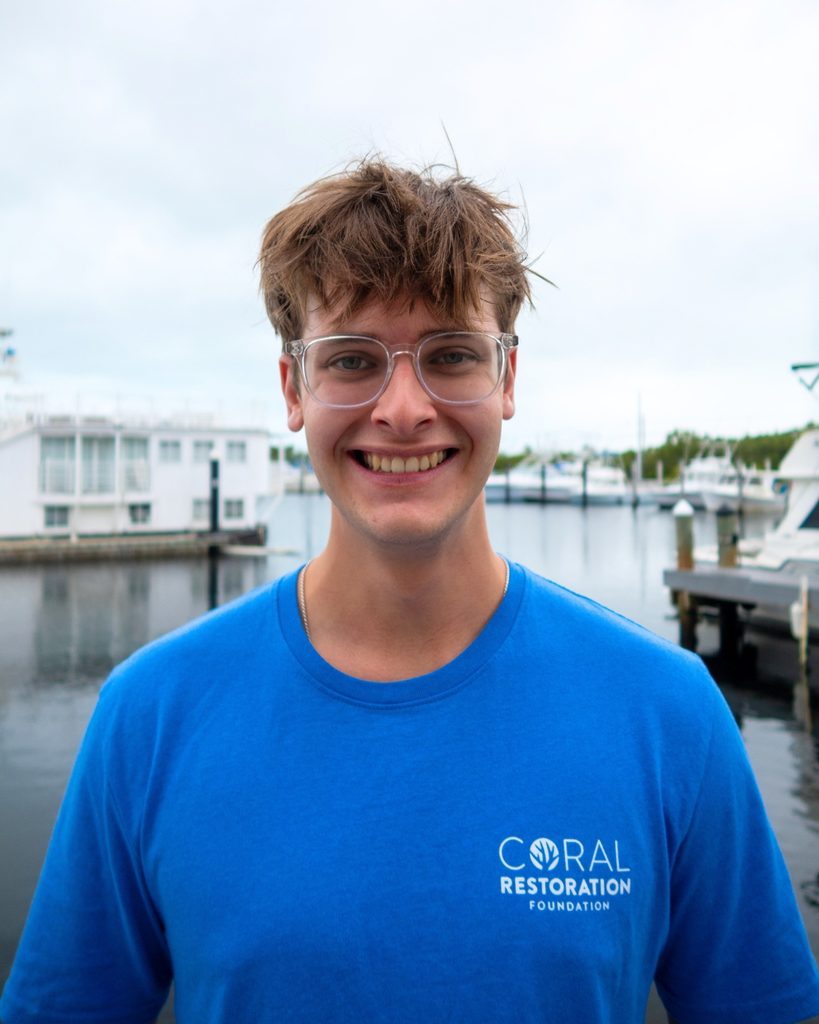
The first intern I ask whenever I have a question about scuba diving is Wyatt. He earned his Open Water Diver certification in high school and began diving more seriously in college. He even helped introduce many of his fellow students to diving through his university’s program, so I was curious about his motivations when it comes to diving.
When asked what keeps him coming back to scuba diving, Wyatt said, “I often feel better underwater than on land. I find it calming, and appreciate how scuba diving is solitary, yet everyone on the dive shares the same experience.”
Wyatt gets to share his love of diving as the Sea Base lead intern, working with Boy Scouts earning their diving certifications, and teaching them about our work to restore reefs at Coral Restoration Foundation.
He knows how intimidating the first descent can be for a new diver. His advice to the Boy Scouts is to start somewhere familiar: get comfortable in the pool first, then build your confidence in the ocean.
Claire
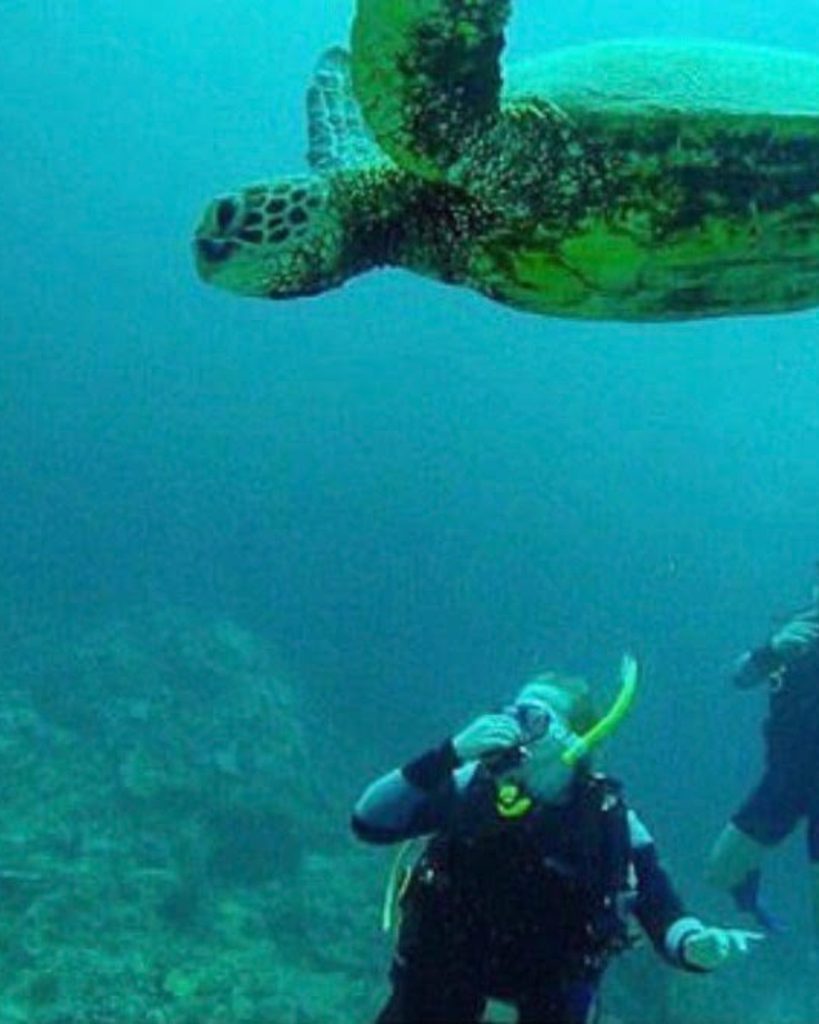
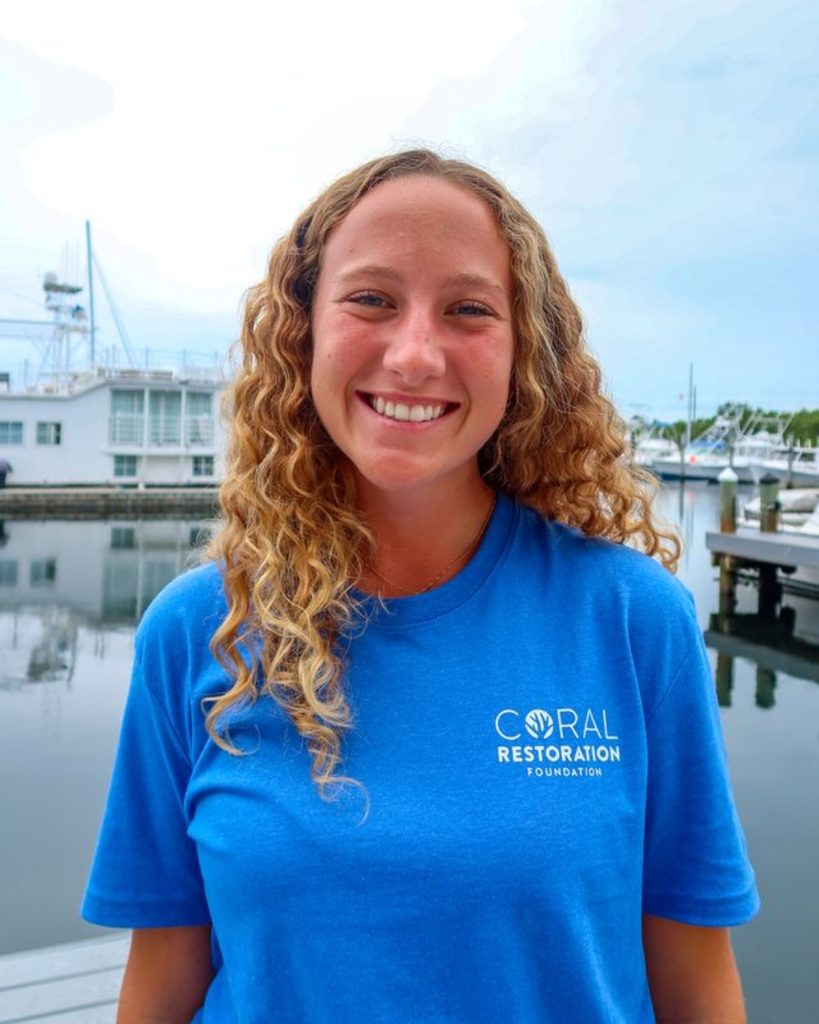
Claire shared with me that her path to diving began in Ohio. She was only 13 years old when she got her first scuba certification, as both of her parents were certified divers and wanted their kids to learn together. During her Open Water dives, she remembers sitting on the sand underwater, simply breathing, where she wasn’t supposed to be able to breathe at all.
What keeps Claire coming back is that diving shows her things that weren’t curated for her to see. “The animals aren’t performing, and the reef exists whether I’m there or not.”
One of her favorite dives was at night on the Great Barrier Reef. Her flashlight found the largest sea turtle she had ever seen. She caught its head in the beam of her flashlight, but the rest of its body seemed to keep going, nearly the size of a mattress.
Seeing coral reefs and the species they support up-close has given Claire a reason to protect them, and her work with CRF lets her apply that passion directly to helping restore reefs in the Florida Keys.
What I Learned About Diving And Conservation From My Fellow Interns
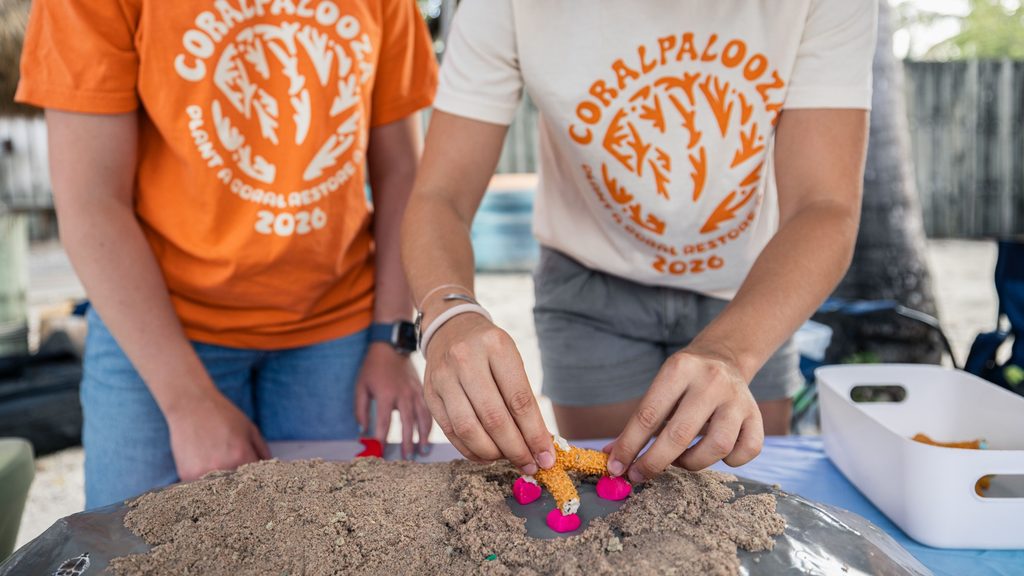
Speaking with Ella, Wyatt, and Claire showed me that scuba diving doesn’t need to be intimidating. Any of them could have decided scientific diving was out of reach, but they kept learning.
Each described the same sense of peace that comes from entering the underwater world. You don’t have to become a scientific diver to experience that. You don’t even have to become a scuba diver. But I think there is something to be said for being fully immersed in the ocean to truly experience what is there.
The more we know about the world around us, the more there is to appreciate in it. And the more we appreciate something, the more reason we have to protect it. Scuba diving is an amazing way to learn about our oceans, to see the reefs, meet the animals, and experience a world most people rarely get to see.
For me, that has been one of the greatest lessons of learning to scuba dive since starting this internship: sometimes the best way to care about something is to take the time to get to know it.
And as an intern at CRF, I have the unique opportunity to literally dive into the world of coral restoration alongside an inspiring group of fellow interns.
Written by: McKenzy Gleadle (CRF Intern)