Coral reefs are a vital part of our planet’s life support system, providing food and coastal protection for millions. Yet, they are vanishing at an alarming rate, threatening marine ecosystems and human communities worldwide.
Join us in restoring the reef resilience. Explore ways to dive deeper into our mission, connect with our community, and make a lasting impact for the future of life in the ocean.
Your generosity fuels coral restoration efforts worldwide, helping to rebuild reefs, protect marine ecosystems, and support the communities that depend on them. Join us in making a lasting impact.
Coral reefs are a vital part of our planet’s life support system, providing food and coastal protection for millions. Yet, they are vanishing at an alarming rate, threatening marine ecosystems and human communities worldwide.
Join us in restoring the reef resilience. Explore ways to dive deeper into our mission, connect with our community, and make a lasting impact for the future of life in the ocean.
Your generosity fuels coral restoration efforts worldwide, helping to rebuild reefs, protect marine ecosystems, and support the communities that depend on them. Join us in making a lasting impact.
Coral bleaching is not a new phenomenon. What has changed is its scale, frequency, and intensity.
For decades, scientists have documented corals bleaching in response to unusually warm water and other environmental stressors.
Historically, bleaching events have been mostly localized and were separated by enough time for many affected reefs to fully recover between episodes. Today, marine heatwaves are becoming more frequent and severe, and that recovery window is shrinking.
Since 1998, the world has experienced four global coral bleaching events. The most recent, from early 2023 to mid-2025, was the largest ever recorded: bleaching-level heat stress affected approximately 84% of the world’s coral reef area, across all three tropical ocean basins.
To understand why this matters, it helps to understand what bleaching actually represents.
What Happens When a Coral Bleaches?
Most reef-building corals live in a close partnership with microscopic algae from the family Symbiodiniaceae, commonly called zooxanthellae, which live within the coral tissues.
Through photosynthesis, these algae provide coral with energy. In some species and under favorable conditions, this partnership can provide up to around 90% of the coral’s energetic requirements. In return, the coral provides its symbionts with shelter and nutrients.
When environmental conditions (such as temperature, salinity, water quality etc.) move outside the range a coral can tolerate, this relationship can begin to break down. The cellular processes involved are complex, and there is no single pathway that explains every case of bleaching.
But we do know that heat is now the most significant driver of mass bleaching worldwide, often acting together with high UV light levels.
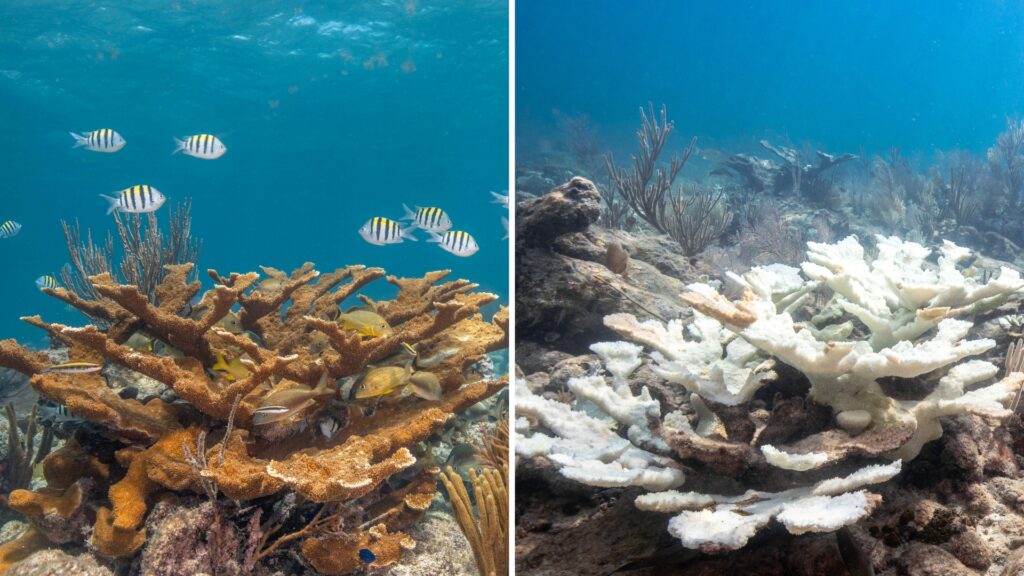
As symbiotic algae are expelled from the coral animal’s tissue and the algae’s pigments are lost, the coral's white calcium carbonate skeleton becomes visible through its now-translucent tissue. The coral appears pale or, with more severe bleaching, stark white, which is where the phenomenon gets its name.
The bleached coral is still alive. But it is in critical condition.
If temperatures or other conditions stabilize, its symbiont population can be reacquired and taken into the coral’s tissues. If the stressor is too intense or lasts too long, the coral becomes increasingly energy depleted, compromising growth, reproduction, disease resistance, and ultimately survival.
Occasionally, bleaching looks very different. Some corals become intensely pink, purple, blue, or green. This occurs when the coral increases production of fluorescent pigments after symbionts are lost. Research suggests these pigments can help reduce the impacts of light stress and support the return of symbionts as conditions improve.
Bleaching, in other words, is a stress response. Whether a coral recovers depends on what happens next.
Heat Stress is Cumulative — Every Coral Responds Differently
There is no universal temperature at which corals bleach. Most reef-building corals thrive between 23° to 29 °C (73° to 84 °F), meaning sustained temperatures crossing 30°to 32 °C (86°to 90 °F) frequently trigger regional bleaching.
But, corals are adapted to their local environment, and so a temperature that causes severe stress on one reef may be normal for another. This is why scientists measure heat stress relative to local conditions rather than against a single global temperature.
NOAA Coral Reef Watch uses the Maximum Monthly Mean, the climatological temperature of the warmest month at a reef, as a baseline. Temperatures around 1°C above that local maximum are considered to have crossed NOAA’s bleaching threshold. But the duration of the heat event matters too.
Accumulated heat stress is measured in Degree Heating Weeks, or DHWs, which account for both the intensity and duration of anomalous heat. Four weeks at 1°C above the bleaching threshold, for example, represent roughly the same accumulated stress as two weeks at 2°C above it.
Even under the same conditions, corals can respond very differently. Species, genetics, symbiotic algae, previous heat exposure, and local environmental conditions can all influence their response.
This variation is important to restoration science, but it must be interpreted carefully. A coral surviving one heatwave is not necessarily “heat resistant.” Its survival may reflect genetics, physiology, environmental conditions, or a combination of factors.
The different combinations of these factors – biological diversity – matter as environmental conditions continue to change.
The Recovery Window is Closing
The first global coral bleaching event was recorded in 1998. The second followed in 2010, the third from 2014 through 2017, and the fourth began in 2023 and ended around mid-2025.
Beyond just the additional bleaching events observed as time goes on, the decreasing intervals between recurring bleaching events has become especially concerning. A landmark 2018 study examining 100 reef locations found that the median interval between severe bleaching events had fallen to just six years, far shorter than the time many mature coral communities need to fully recover.
More recent research suggests the distinction between individual global bleaching events is becoming harder to draw. A 2026 analysis identified an almost uninterrupted period of global coral heat stress between 2018 and 2025. During those eight years, 86.8% of the world’s reef locations experienced bleaching-level heat stress at least once, with many reefs facing near-annual bleaching risk, despite only the final three years of the period comprising a formal “bleaching event”.
The ecological impacts of these compounding bleaching events are increasingly visible. The 2025 Status of Coral Reefs of the World assessment, published in 2026 and drawing on more than 21 million observations across 124 countries and territories, found that average global hard coral cover during 2020–2024 was 9.5% lower than the 1980–2009 reference period. The Fourth Global Bleaching Event alone saw a hard coral decline of 8.9% following 2023-2024.
Reefs can recover between disturbances. Global hard coral cover actually increased by approximately 6% between 2017 and 2019, immediately following the third global bleaching event. But more and more, reefs are being hitby a new bleaching event before they can adequately rebound from the last one.
At the current frequency of global bleaching events, the report projects continued decline in global hard coral cover.
Florida has already shown us what that can look like.
Florida’s 2023 Heatwave Changed the Equation
In summer 2023, Florida’s Coral Reef experienced unprecedented heat. Sea-surface temperatures reached at least 31°C (87.8°F) for an average of more than 40 days, producing accumulated heat exposure between 2.2 and four times greater than any previous year on record.
The impacts on two of Florida’s most important reef-building species were catastrophic. A 2025 Science study, co-authored by CRF researchers and regional partners, documented 97.8–100% mortality of elkhorn (Acropora palmata) and staghorn (Acropora cervicornis) corals in the Florida Keys and Dry Tortugas.
The authors concluded that the heatwave had driven both species into functional extinction on Florida’s Coral Reef. This does not mean every colony disappeared. It means wild populations have been reduced to the point that they can no longer fulfill their historic ecological roles or recover at meaningful scales without intervention.
For coral restoration, that changes the equation.
What Bleaching Means for Restoration Now
Coral restoration cannot cool the ocean.
Reducing the greenhouse gas emissions driving ocean warming remains fundamental to the future of coral reefs.
Reducing local pressures matters too. Actions such as improving water quality, reducing pollution and sedimentation, and managing fisheries sustainably cannot prevent marine heatwaves, but they can give reefs a better chance of withstanding future disturbances and recovering afterwards. Healthy populations of herbivorous fish help keep algae in check and maintain space for corals to recruit and grow, while better water quality reduces the additional stress corals are already carrying. Research shows that reefs exposed to fewer local and regional pressures experience lower mortality during extreme heat and have a greater capacity to recover after bleaching. Local action cannot remove the climate threat, but it can help maintain the ecological processes reefs need to persist through it.
As coral populations decline and marine heatwaves become more frequent, restoration has an increasingly important role: preserving biological options that might otherwise disappear.
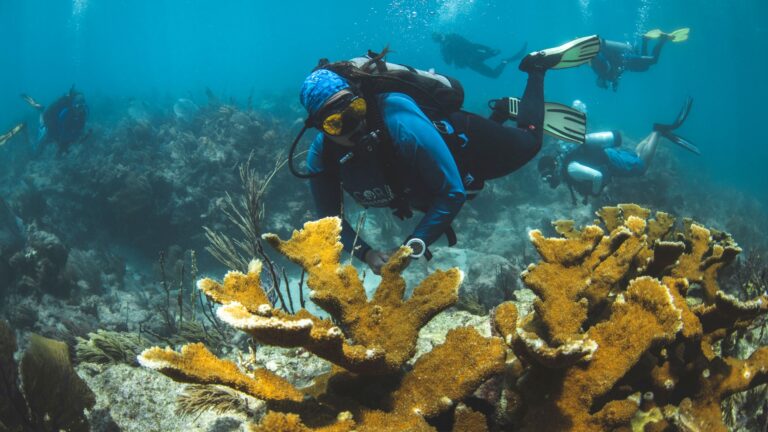
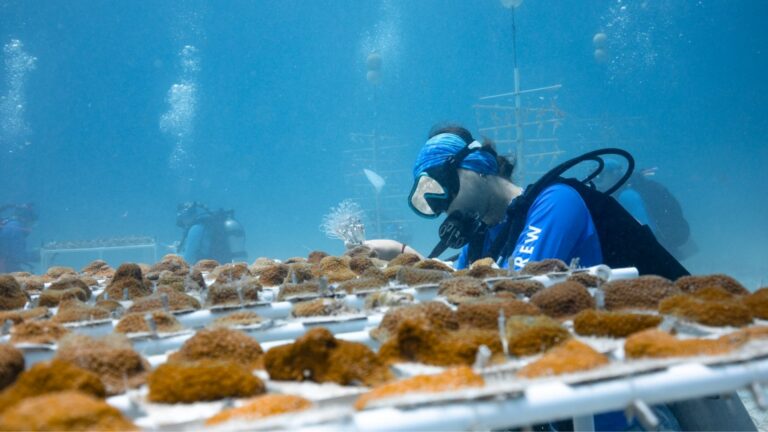
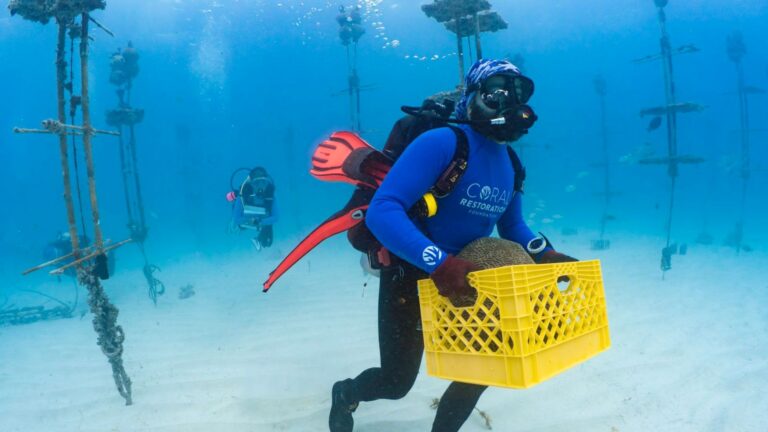
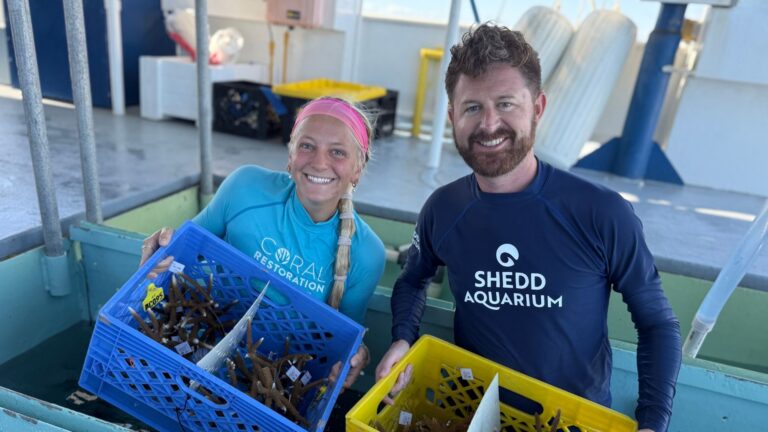
The 2023 heatwave made that clear in Florida. CRF and partners moved representative corals into land-based facilities to safeguard genetic material, while thousands more were evacuated from CRF nurseries as temperatures became increasingly dangerous.
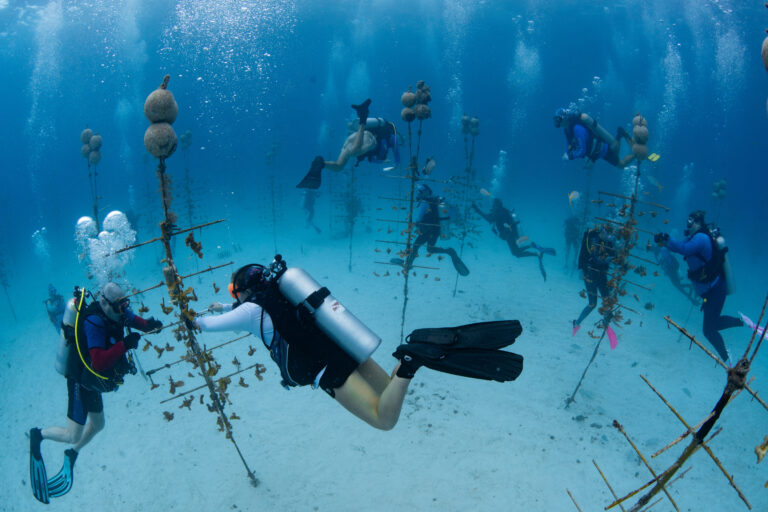
Those lessons continue to shape our strategy. Genetic diversity is now distributed across multiple locations. In 2026, as we prepare for potentially challenging conditions in 2027 due to a historic El Nino, CRF established a second in-water gene bank at our Elbow Nursery, a site with good water flow that was one of the coolest during 2023. We have now begun the transfer of approximately 3,500 corals from Tavernier to Elbow to replicate that genetic diversity at another ocean-based site.
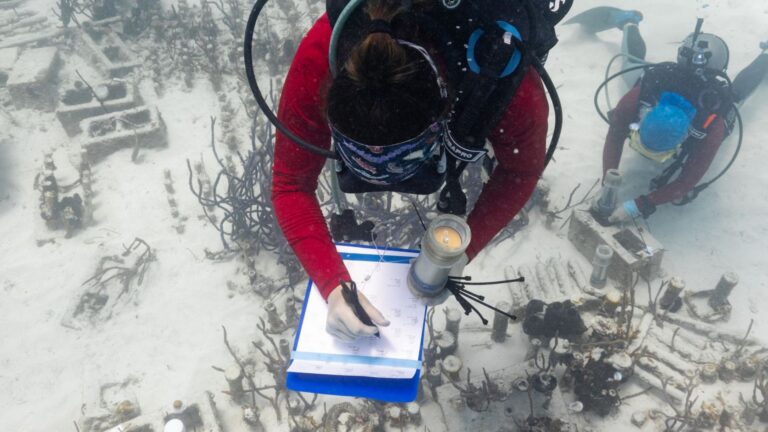
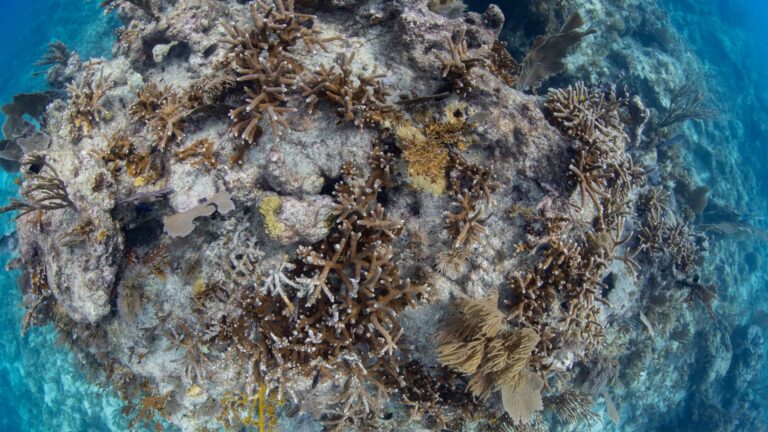
We are also closely following corals that survived 2023, both in our nurseries and on the reefs. Survival through one extreme event does not guarantee survival through the next. But these corals represent all of the remaining genetic diversity, biological information, and reproductive potential that the Florida Keys’ depleted reefs can no longer afford to lose.
Restoration cannot solve ocean warming. But it can help safeguard diversity, preserving options, so that there are still corals capable of rebuilding reefs into the future.
Related Reading:
Florida’s Reefs Face Another Summer of Heat: Here’s How We’re Preparing
Hope in the Heat
CRF Begins Historic Return of Rescued Corals