





Ocean temperatures are rising once again around the world and across the Florida Keys.
At Coral Restoration Foundation (CRF) our response is rooted in lessons learned through the Fourth Global Bleaching Event.
In the years following the unprecedented marine heatwave of 2023, CRF and partners across Florida’s coral restoration community have carefully evaluated what worked, what didn’t, and how future responses could be improved. Rather than reacting in real time, restoration practitioners now have a coordinated plan for response.
With water temperatures already exceeding those observed at the same time in 2023, that plan is being put into action.
A Planned Response, Not a Reactive One
CRF’s bleaching response follows a multi-phase approach informed by monitoring, observations in the field, and predefined response triggers.
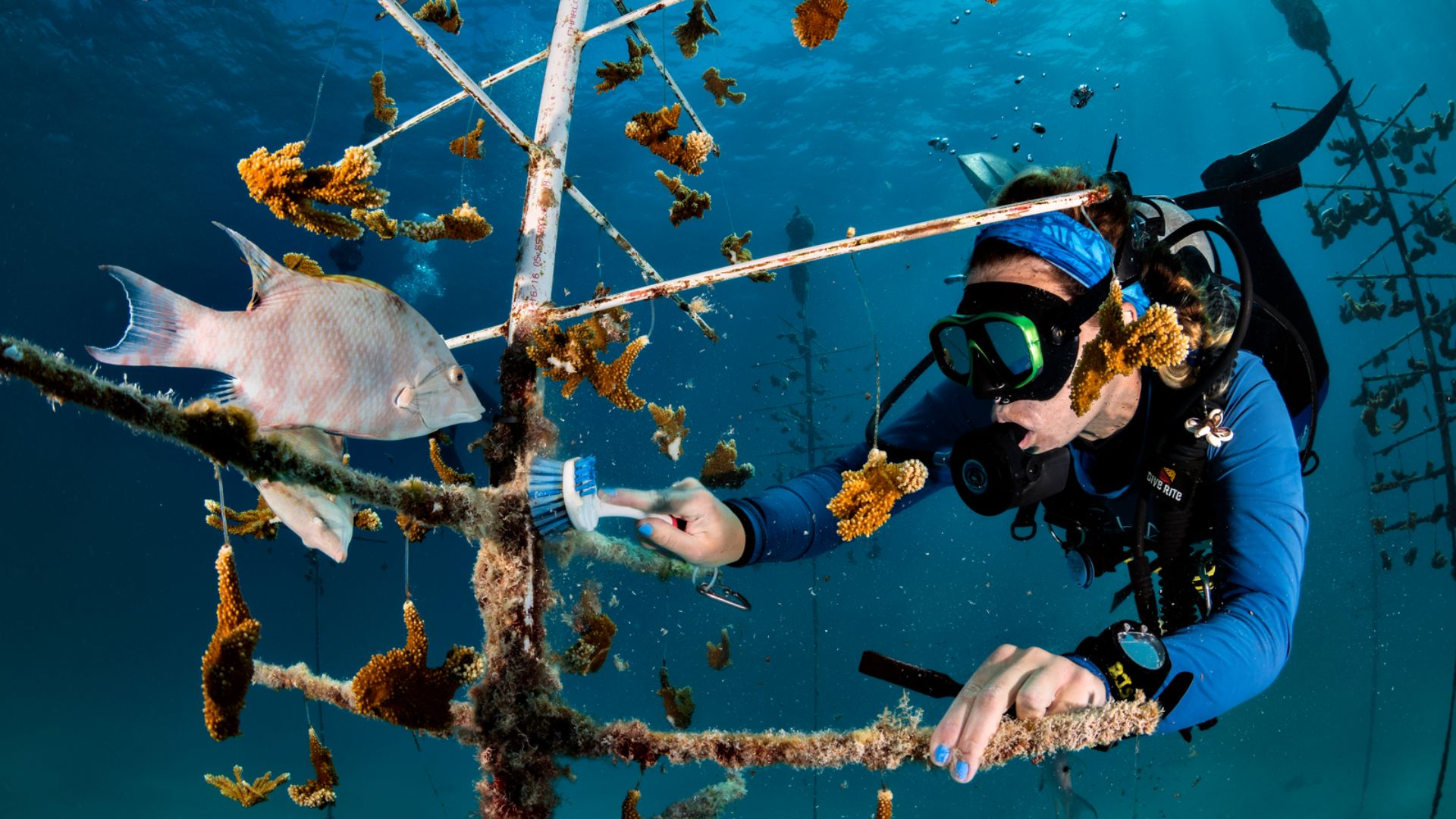
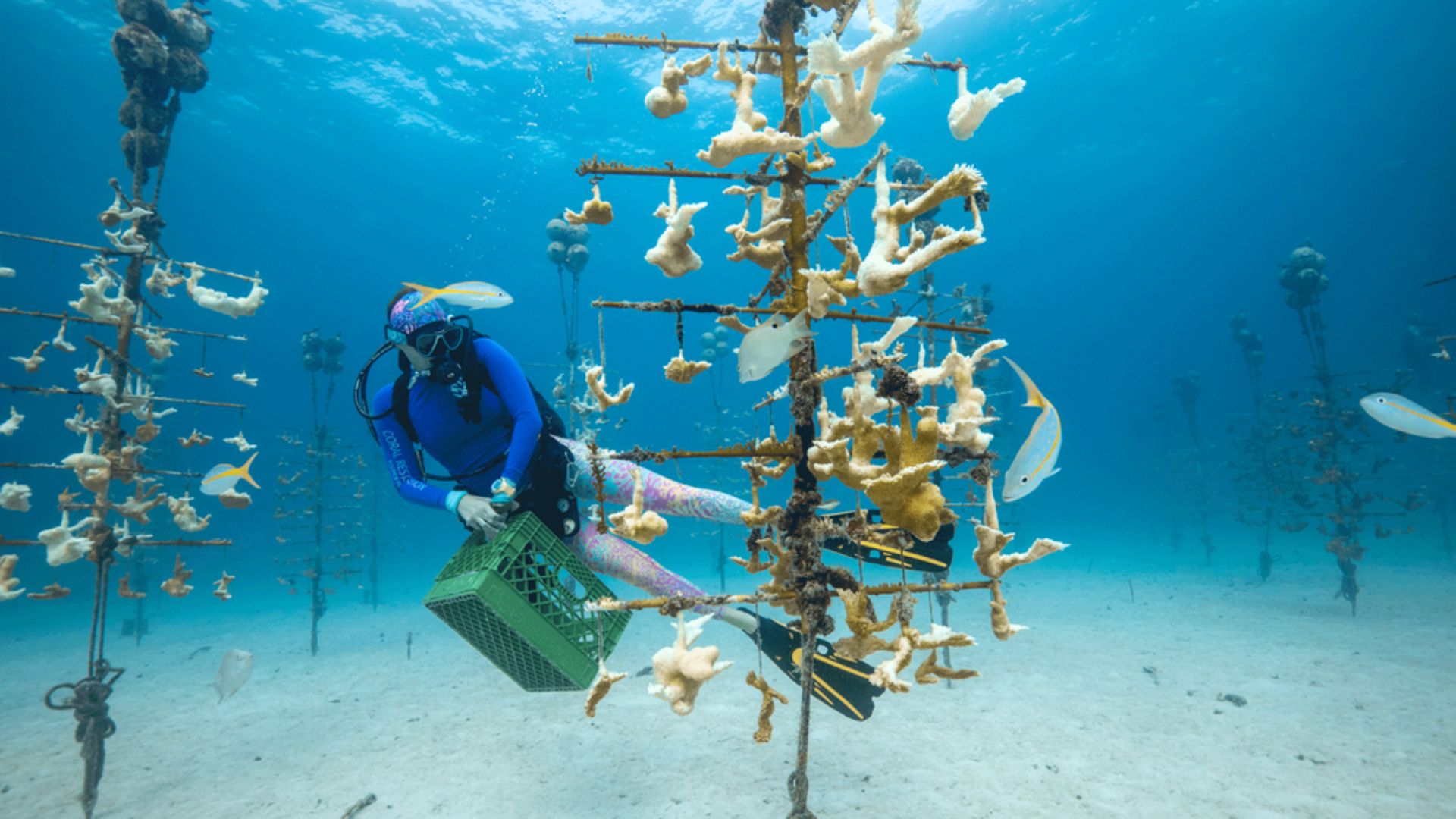
As part of annual summer preparedness, our teams monitor temperature forecasts, conduct regular observations in our nurseries and on restored reefs, maintain healthy nursery conditions (removing biofoul on the Coral Trees and controlling disease), bolster the genetic diversity represented in our gene banks, and prepare our infrastructure for stormy weather and any other potential disturbances.
As conditions have begun to intensify, CRF has now entered the next phase of that response.
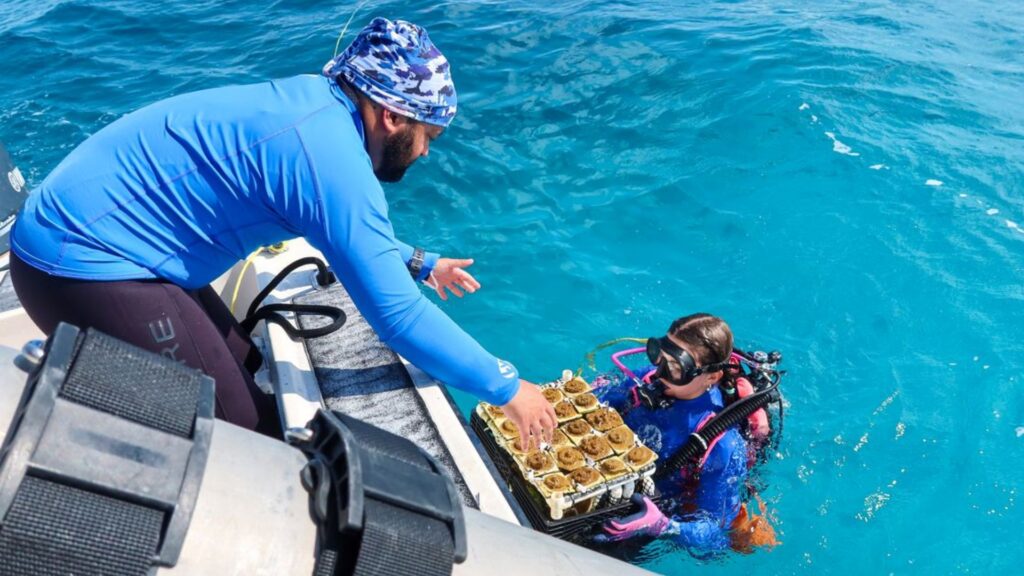
With water temperatures now exceeding the bleaching threshold of 30.5 Centigrade (87 Farenheight) and early signs of bleaching already being observed on several Florida reefs, our teams are preparing to relocate approximately 3,500 corals from production nurseries to a permitted nursery site that has demonstrated more resilient environmental conditions.
This action is not intended to save every coral from heat stress. Instead, it is designed to protect the genetic diversity that underpins future restoration efforts by establishing an additional in-water gene bank and safeguarding valuable founder genotypes and corals that are currently represented by relatively few colonies.
Additional response measures remain available if conditions continue to worsen and predefined response thresholds are reached.
Throughout the season, our teams will continue monitoring reef conditions daily to ensure decisions are guided by observations in the water as conditions evolve.
Why Continue Restoring Corals?
Whenever severe bleaching occurs, an understandable question follows: “If bleaching is happening again, why continue restoring corals?”
The answer is that coral reefs face two interconnected challenges.
Climate change is increasing the frequency and severity of marine heatwaves. At the same time, decades of decline have left many coral populations so small and fragmented that they struggle to recover after disturbance events.
Addressing only one of these challenges is not enough.
Reducing greenhouse gas emissions remains essential to the long-term future of coral reefs. But without maintaining living coral populations in the meantime, many reefs may lose the biological capacity to recover, even if future conditions improve.
Restoration is one of the few conservation tools capable of acting immediately while broader climate action continues.
Today’s restoration is about much more than planting corals. It is about preserving biodiversity, maintaining genetic diversity, reducing the risk of local population collapse, and safeguarding the capacity of coral populations to adapt into the future.
Healthy, connected coral populations preserve options—not only for reefs themselves, but also for the people who rely on them.
Why Florida Reefs Still Matter
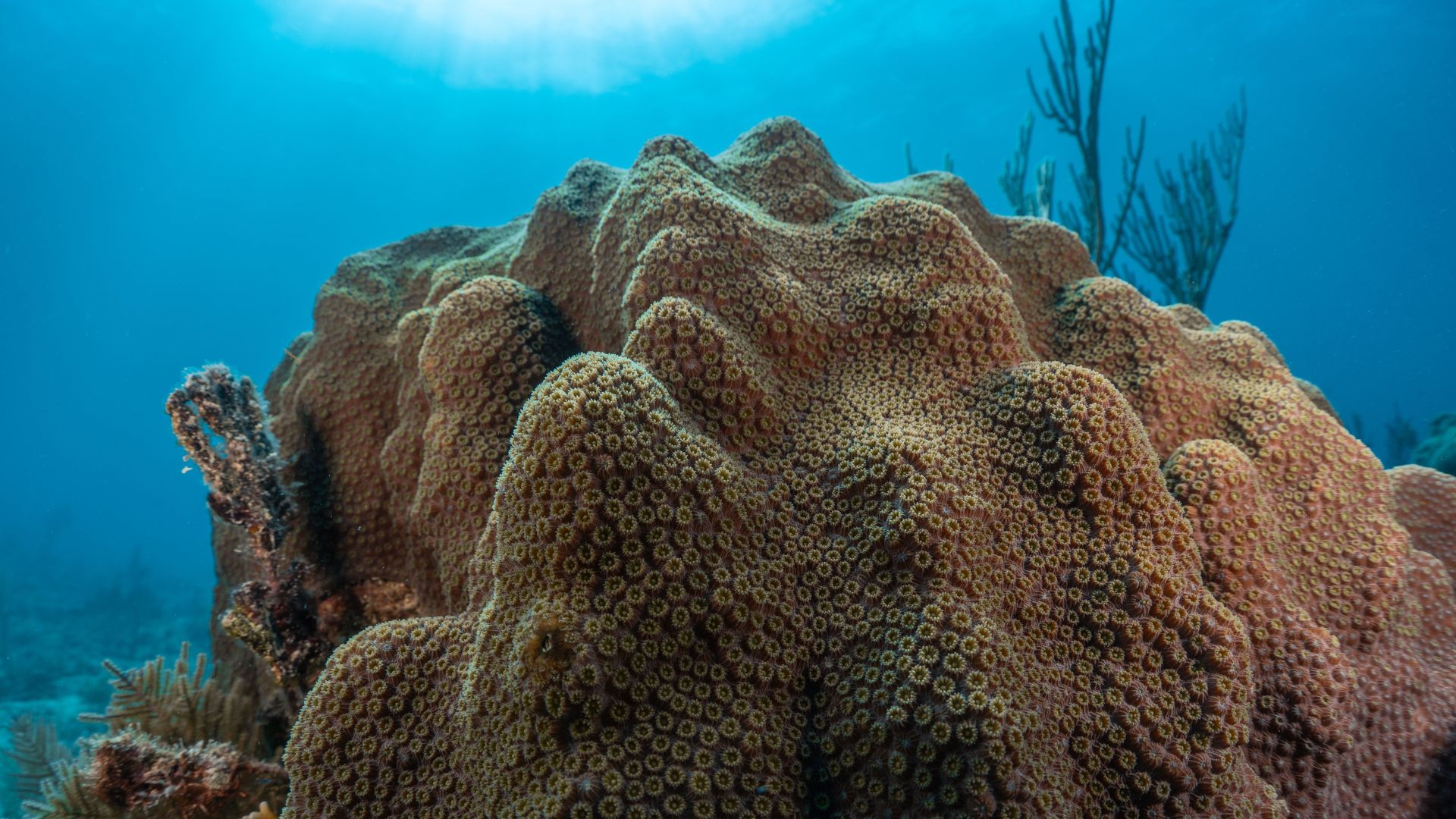
Florida has experienced some of the most extreme thermal stress ever recorded on coral reefs. While these events have been devastating, they have also highlighted the importance of continuing restoration.
Some restoration sites retained living colonies following the 2023 marine heatwave, and those surviving corals now represent invaluable biological resources for the future of restoration.
Their survival demonstrates that responses to heat stress are highly variable and that resilience, while diminished, still exists within Florida’s coral populations.
The knowledge gained here helps inform restoration efforts not only in Florida, but around the world.
Looking Ahead
The coming months are likely to be challenging for Florida’s coral reefs.
While we cannot control ocean temperatures, we can ensure that restoration efforts are guided by science, informed by experience, and focused on protecting the biological diversity that will be essential for the future of coral reefs.
Our teams are in the water every day monitoring nursery and reef conditions, implementing our response plan, and adapting as new information becomes available.
We will continue sharing updates throughout the summer as conditions evolve.
Because restoration is no longer simply about rebuilding what has been lost. It is also about protecting what remains. And preserving the possibility that Florida’s coral reefs, and reefs around the world, can continue to recover in the future.