



Building on our first research expedition to Dry Tortugas National Park in October 2025, Coral Restoration Foundation and Shedd Aquarium returned in May 2026 to continue a collaborative effort to better understand and restore one of Florida’s most remote reef systems.
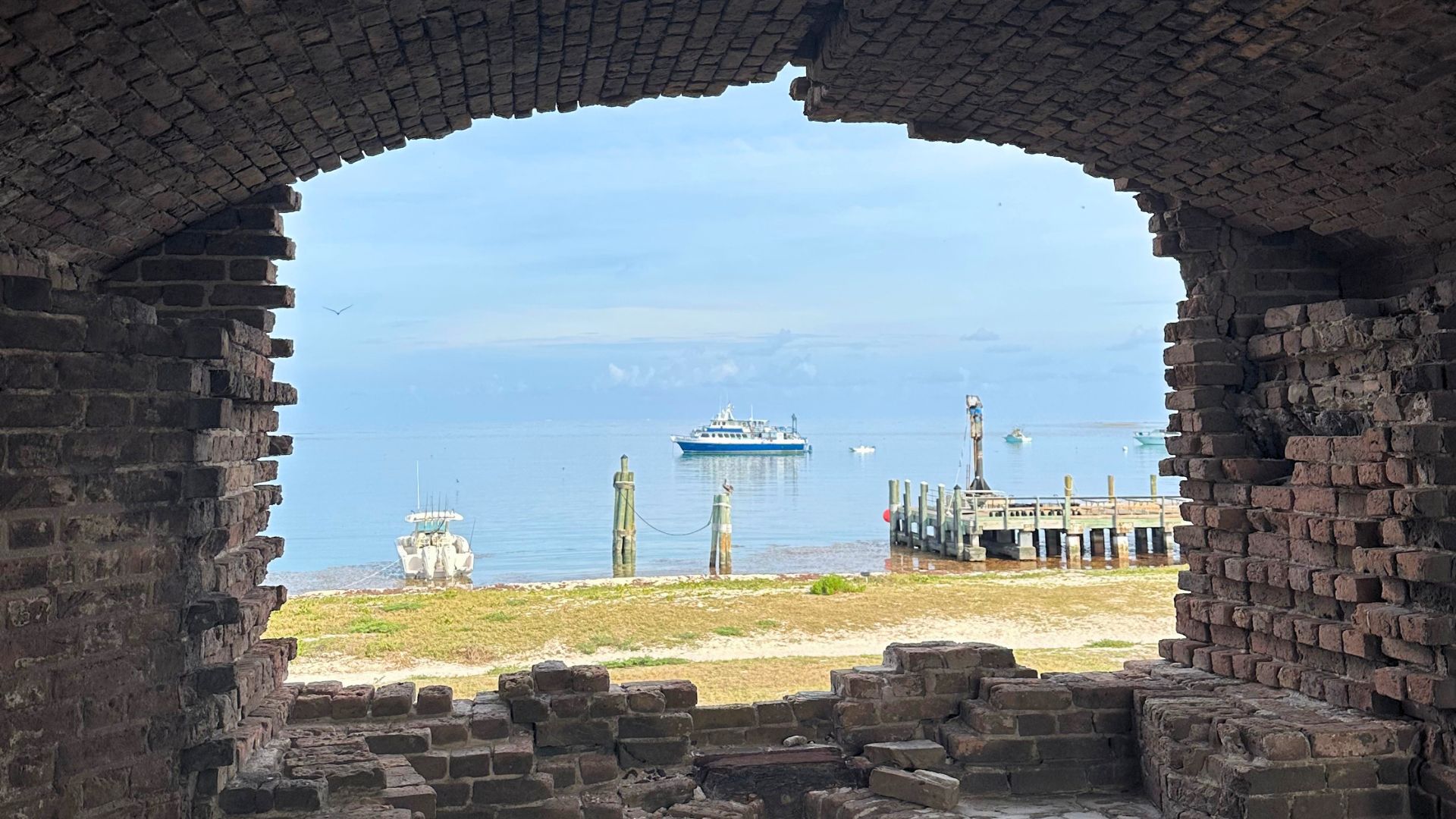
Traveling aboard Shedd Aquarium’s research vessel Coral Reef II, the team spent several days working in the remote national park, located nearly 70 miles west of Key West.
The primary goal of this year’s expedition was to monitor previously outplanted corals while also expanding restoration efforts to new reef sites and increasing the region’s genetic diversity. Together, these efforts are helping our research team and collaborators refine restoration strategies and better understand how resilient corals perform over time.
Monitoring the Success of a Landmark Expedition
Last year’s expedition marked the first time that corals grown in Coral Restoration Foundation’s Tavernier nursery were outplanted in Dry Tortugas National Park, creating a unique opportunity to study how nursery-grown corals survive and grow in this remarkable ecosystem.
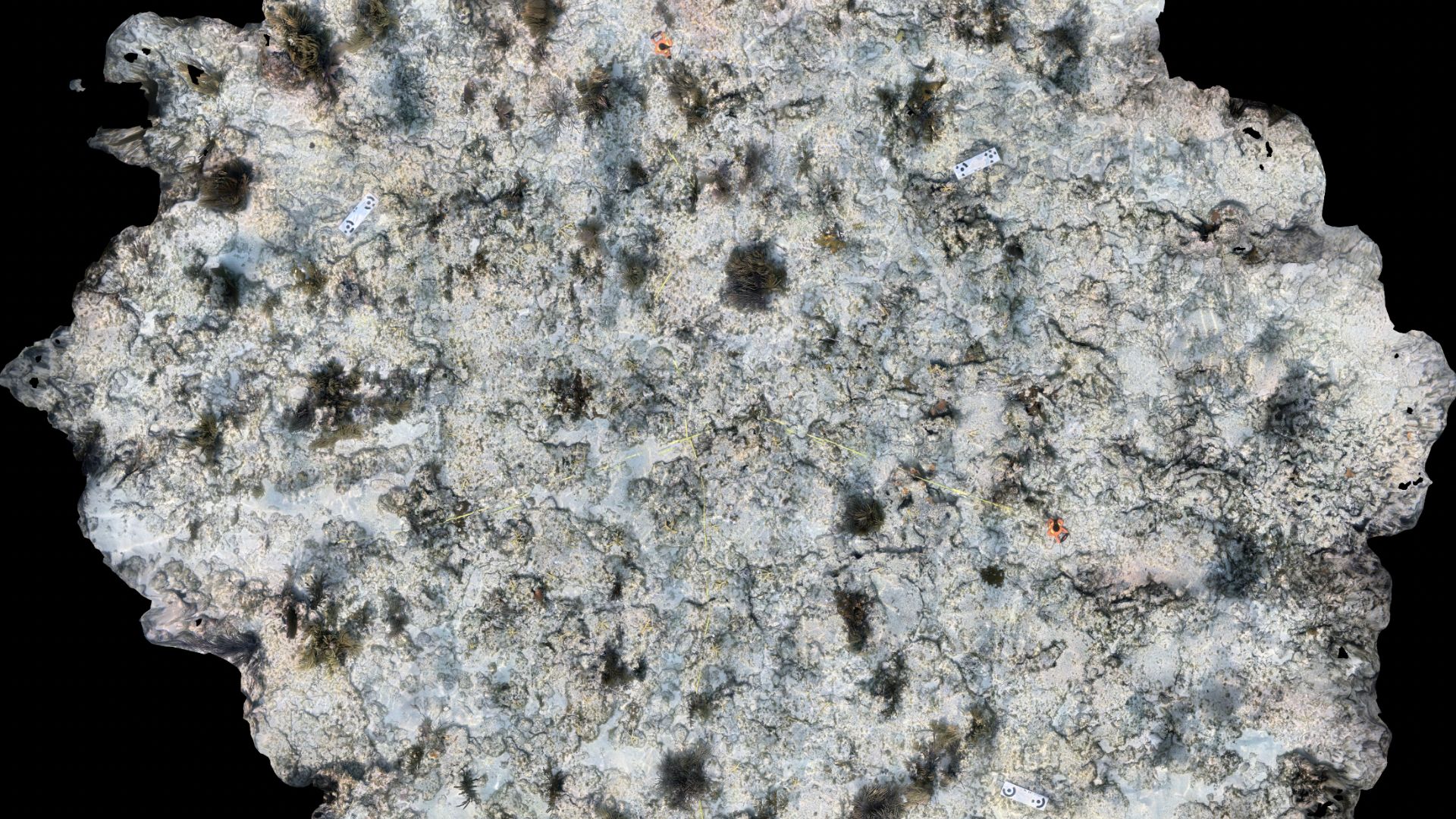
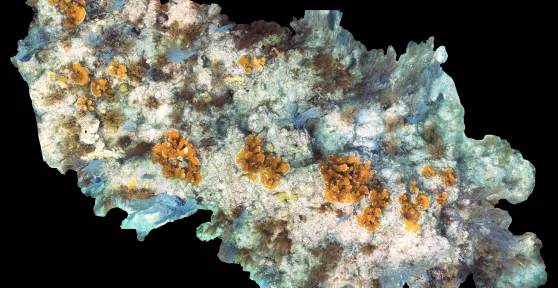
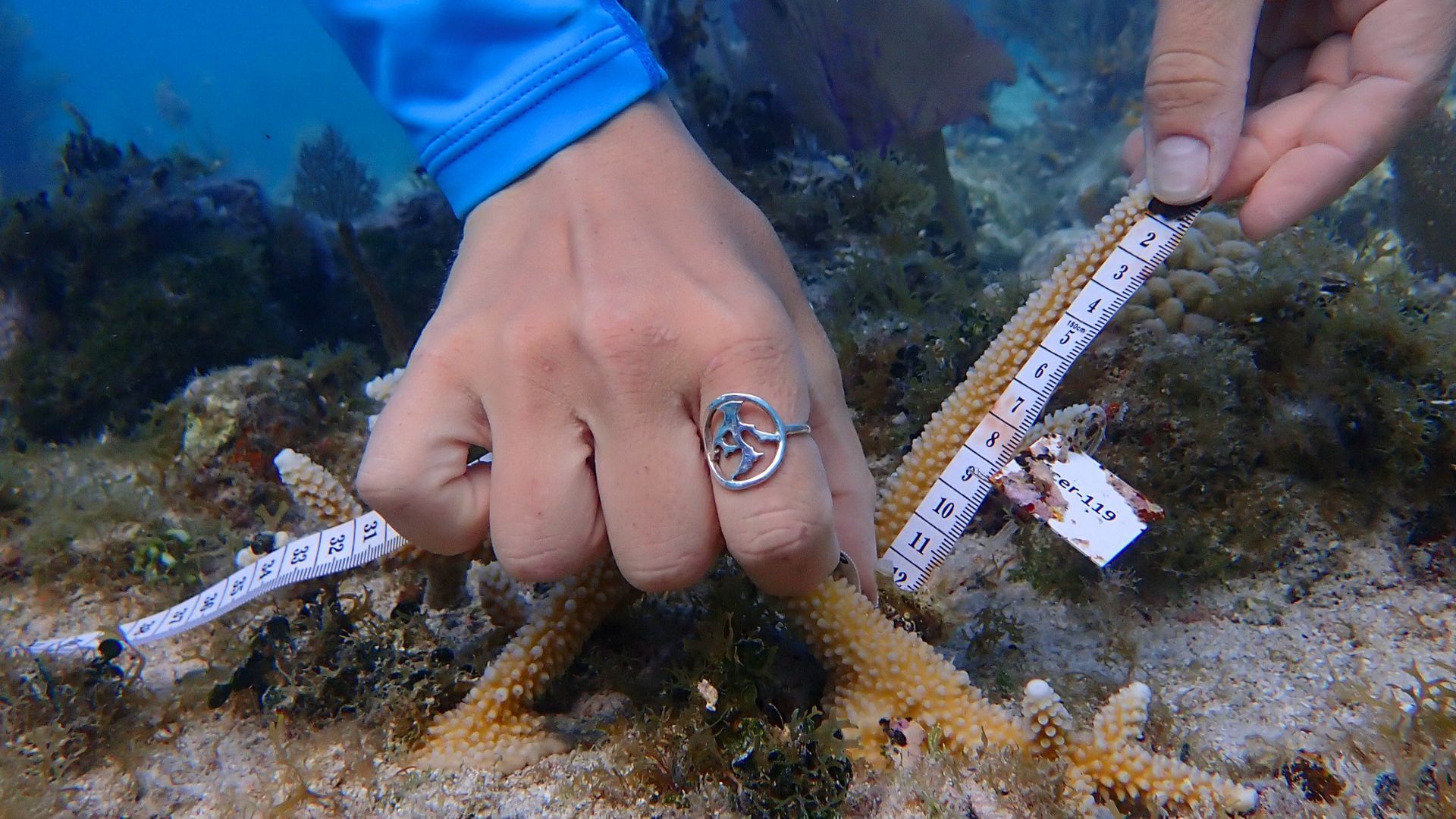
Returning to monitor those corals was the highest priority of this year’s expedition, giving researchers their first opportunity to evaluate how the outplants were doing after eight months on the reef. The growth of each coral was measured and detailed photomosaics of the original research sites were captured, allowing the team to compare changes over time and evaluate the success of the 2025 outplants.
Preliminary results reveal that more than 90% of the outplanted corals survived their first eight months on the reef in Dry Tortugas.
Of the corals that did not survive, most were lost after becoming dislodged from the reef, rather than dying in place. Interestingly, researchers found that corals with both high and average thermal tolerance grew at similar rates. Since those corals had not yet experienced another summer, future monitoring will reveal whether their different heat tolerances influence long-term survival and growth.
Expanding the Research
While monitoring the original outplants was the expedition’s primary focus, the team also expanded the study in several important ways. We established two additional research sites using the same experimental design as used in 2025, with two large plots of high thermal tolerance and two large plots of average thermal tolerance corals at each site. This allowed us to continue studying how corals with different levels of thermal tolerance perform under natural reef conditions.
The expedition also introduced 10 new staghorn coral genotypes to Dry Tortugas, increasing the total number of Coral Restoration Foundation genotypes outplanted in the park to 30. In total, our team has now outplanted a total of 400 staghorn corals throughout Dry Tortugas as part of this ongoing effort.
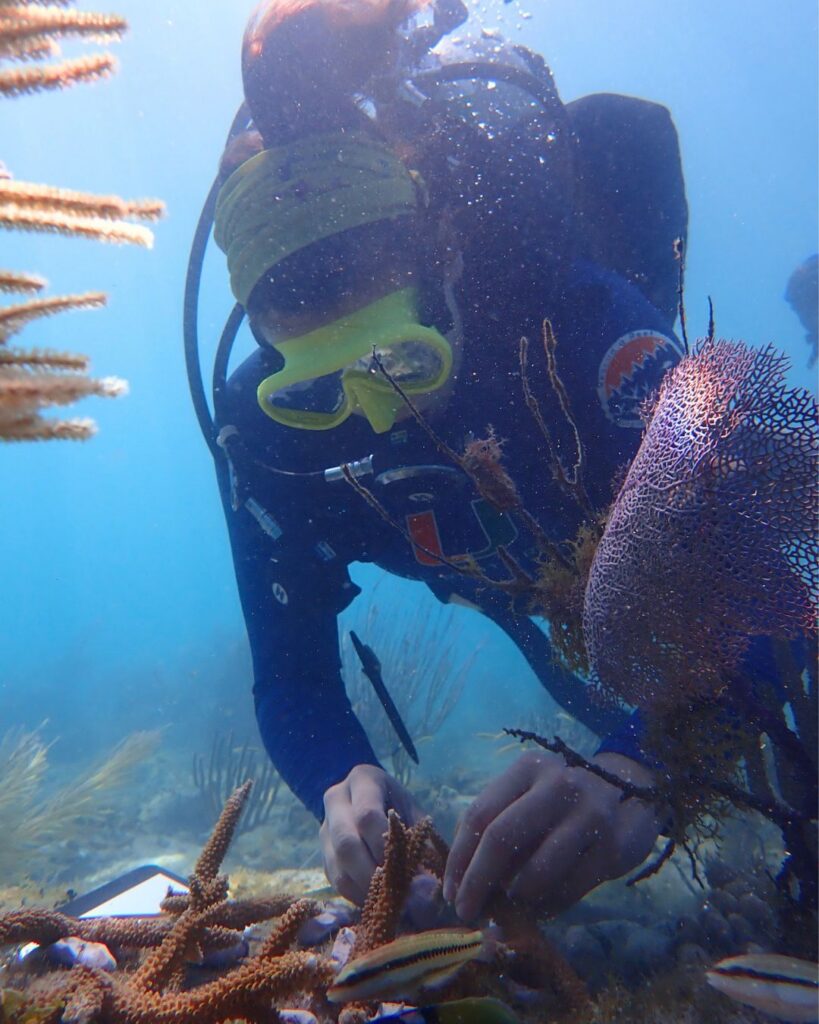
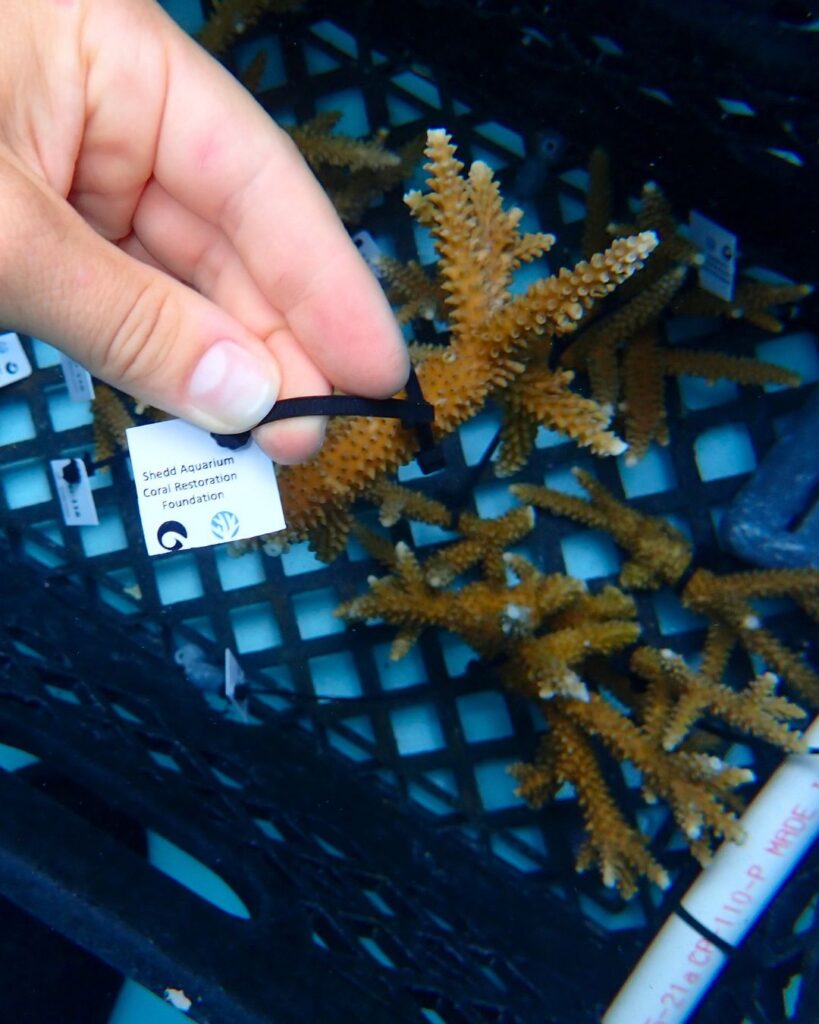
Beyond staghorn coral, the team partnered with the University of Miami to outplant Acropora prolifera, also known as fused staghorn coral, at a site where this hybrid species was lost during the 2023 global bleaching event.
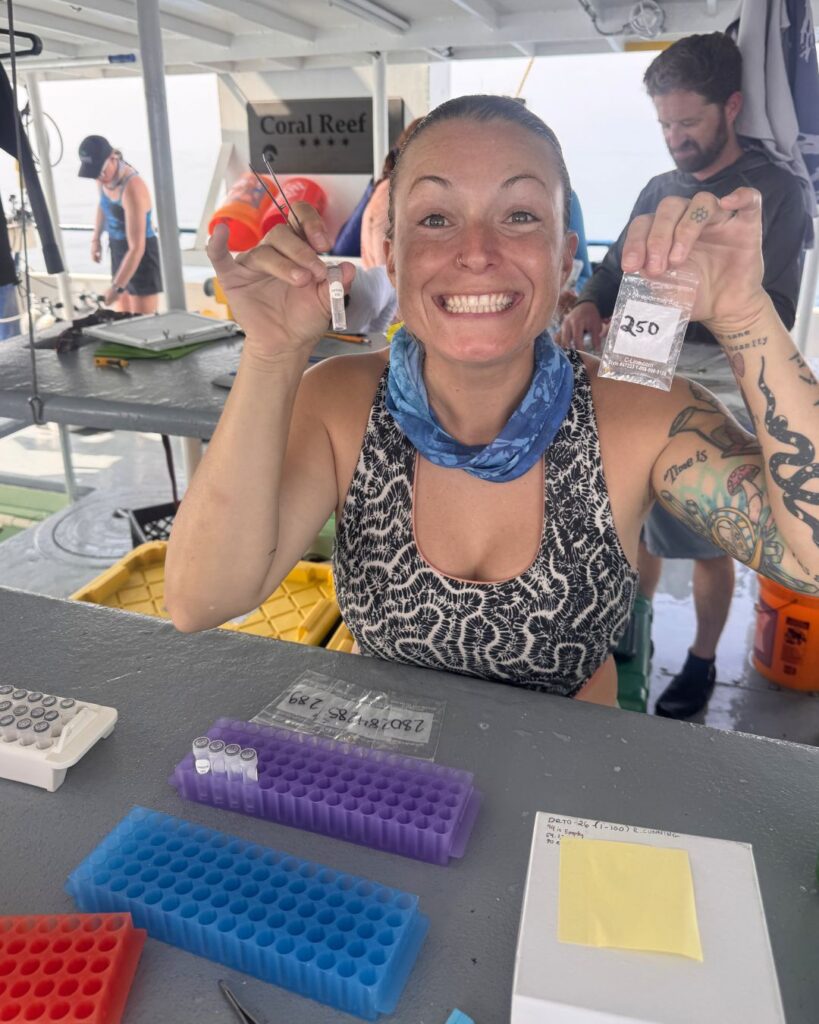
Researchers also collected hundreds of coral samples across a dozen reef-building species to support Shedd Aquarium’s ongoing symbiont research, helping to better understand the relationships between corals and the microscopic algae that are essential to their survival.
The Future of Reef Restoration in Dry Tortugas
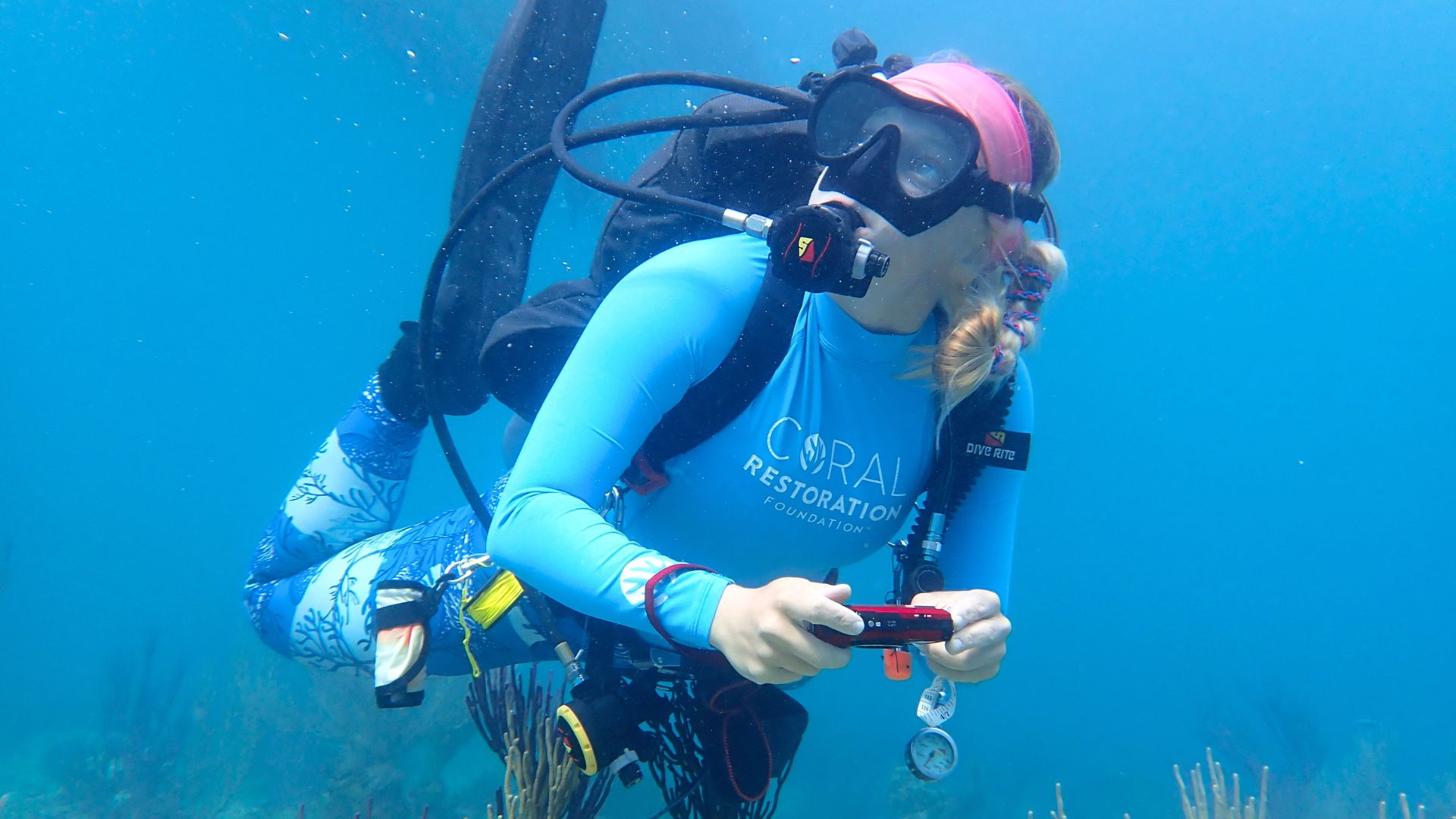
By continuing to monitor outplanted corals, expand genetic diversity, and test new restoration strategies, our research teams are building a deeper understanding of what it takes for corals to thrive in this remote region.
As this collaboration continues, the knowledge gained in Dry Tortugas will help guide restoration efforts both within the park and across Florida’s Coral Reef. Together, Coral Restoration Foundation, Shedd Aquarium, and partners are helping shape a more resilient future for this remarkable reef ecosystem as well as other reefs that depend on the lessons learned here.