





This article was originally published in Keys Weekly.
Three years after an unprecedented marine heat wave devastated reefs across the Florida Keys, restoration practitioners are continuing the long process of rebuilding coral populations, with support from the industry that depends on healthy reefs.
Between October 1, 2025, and this June, Coral Restoration Foundation (CRF) returned 15,846 corals from 17 species to 10 reef sites throughout the Keys. More than four out of every five of those corals, 13,450 colonies in total, were outplanted with funding support from the Tourist Development Council (TDC).
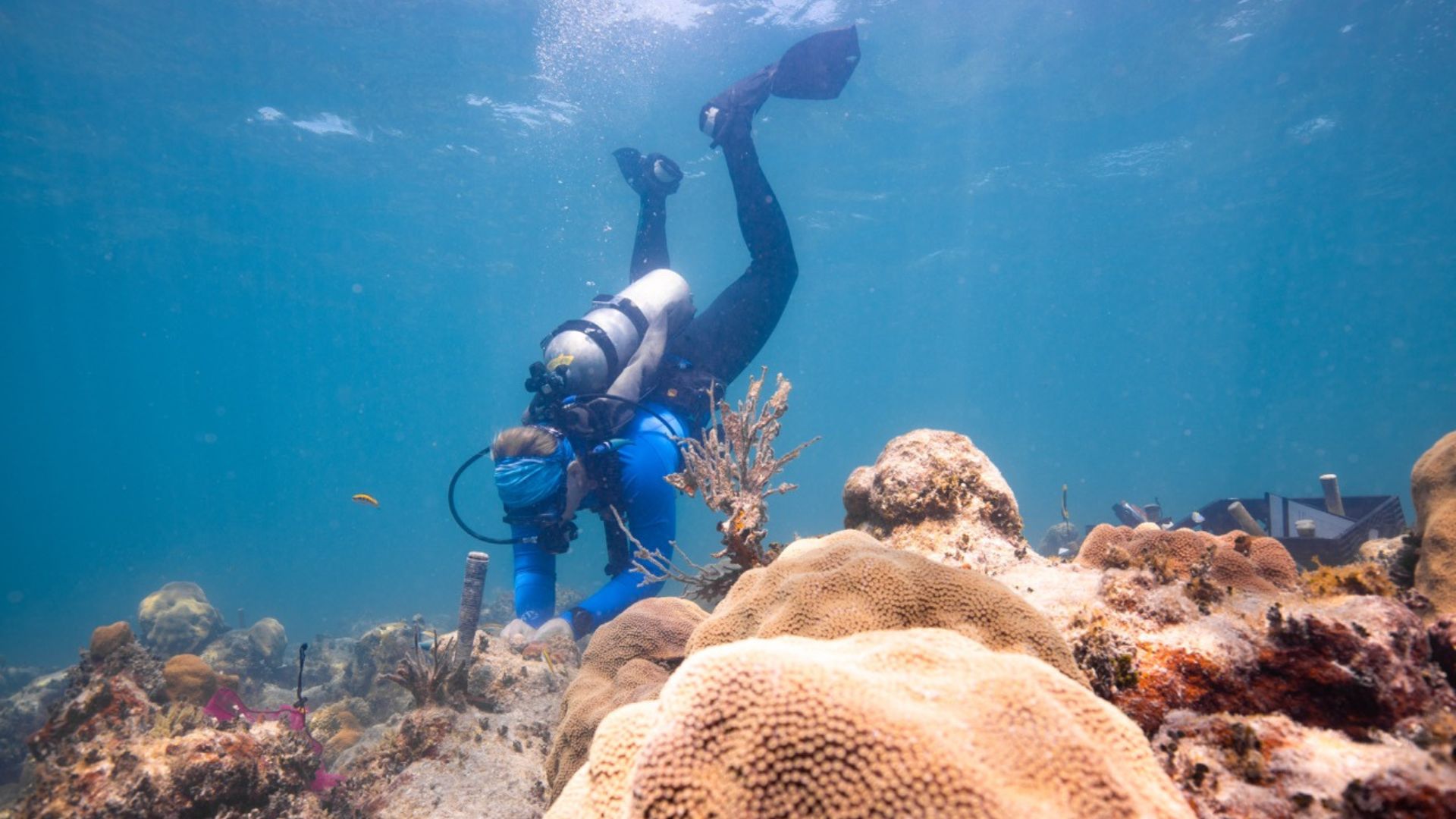
“Florida’s reefs are at the heart of the Keys experience,” said Phanor Montoya-Maya, CRF restoration program manager. “When visitors come here to dive, snorkel, fish, or simply enjoy the ocean, healthy reefs are a big part of what makes that experience possible. TDC funding helps ensure tourism dollars are supporting the long-term health of the ecosystems that keep people coming back, supporting our communities and economy.”
The effort included 2,900 elkhorn corals (Acropora palmata), 4,600 staghorn corals (Acropora cervicornis), and 5,950 colonies of massive and encrusting coral species. Together, these reef-building corals create habitat for fish and other marine life, support biodiversity and help maintain the vibrant underwater landscapes that attract divers, snorkelers, anglers and ocean lovers from around the world.
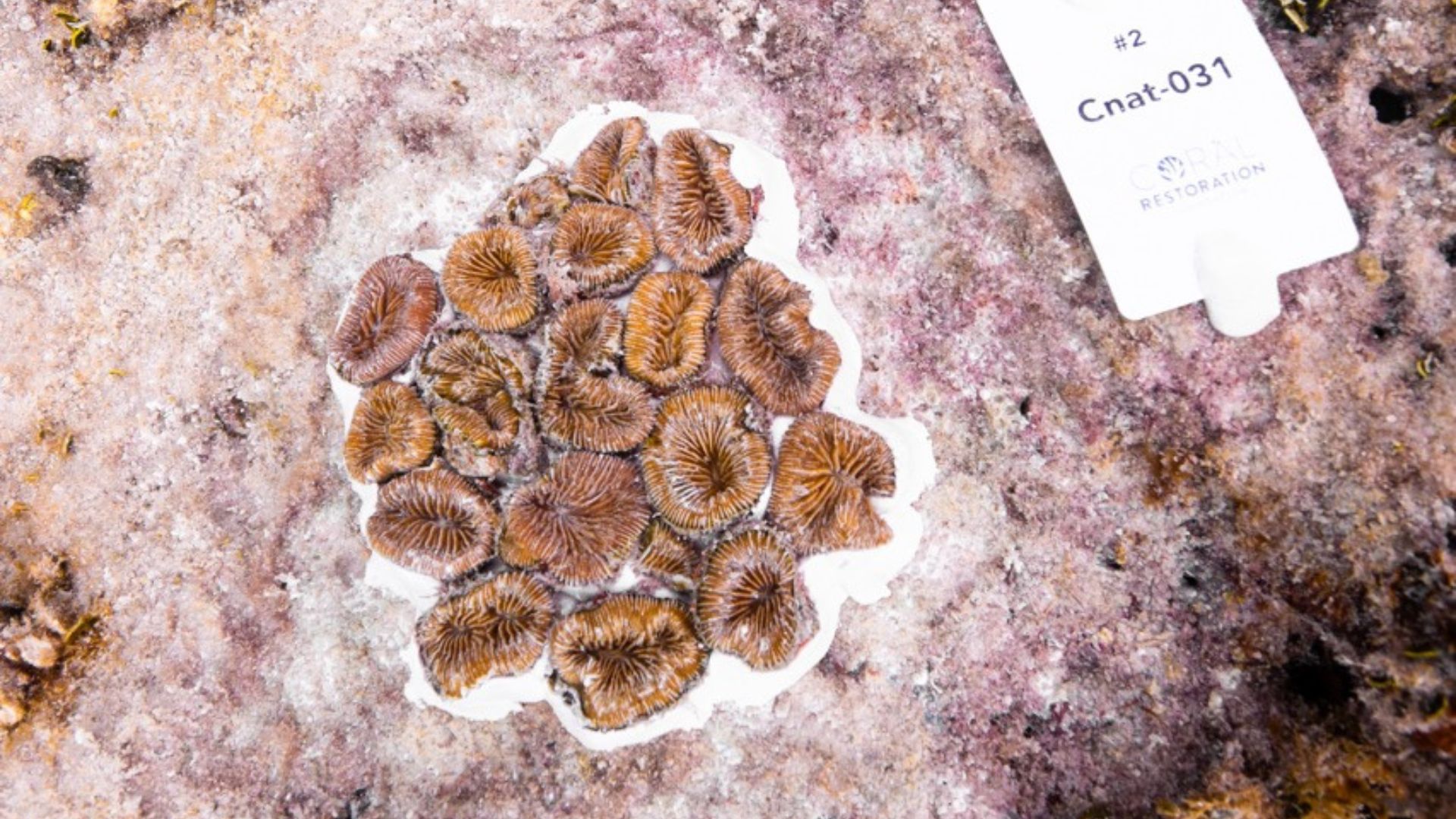
The restoration work took place at ecologically important and highly visited reef sites, including Carysfort Reef, Alligator Reef, Sombrero Reef, North Dry Rocks, Horseshoe Reef, Pickles Reef, Cheeca Rocks, Looe Key, Newfound Harbor, Marker 32 and Eastern Dry Rocks.
Coral restoration work has been proven to have a significant and measurable impact on the local economy through supporting local employment, investing in charter operators, boat captains, equipment suppliers, marine contractors and a wide range of small businesses throughout the Keys. As those dollars move through the community, they continue generating economic activity, creating a ripple effect that extends beyond the initial investment in reef restoration.
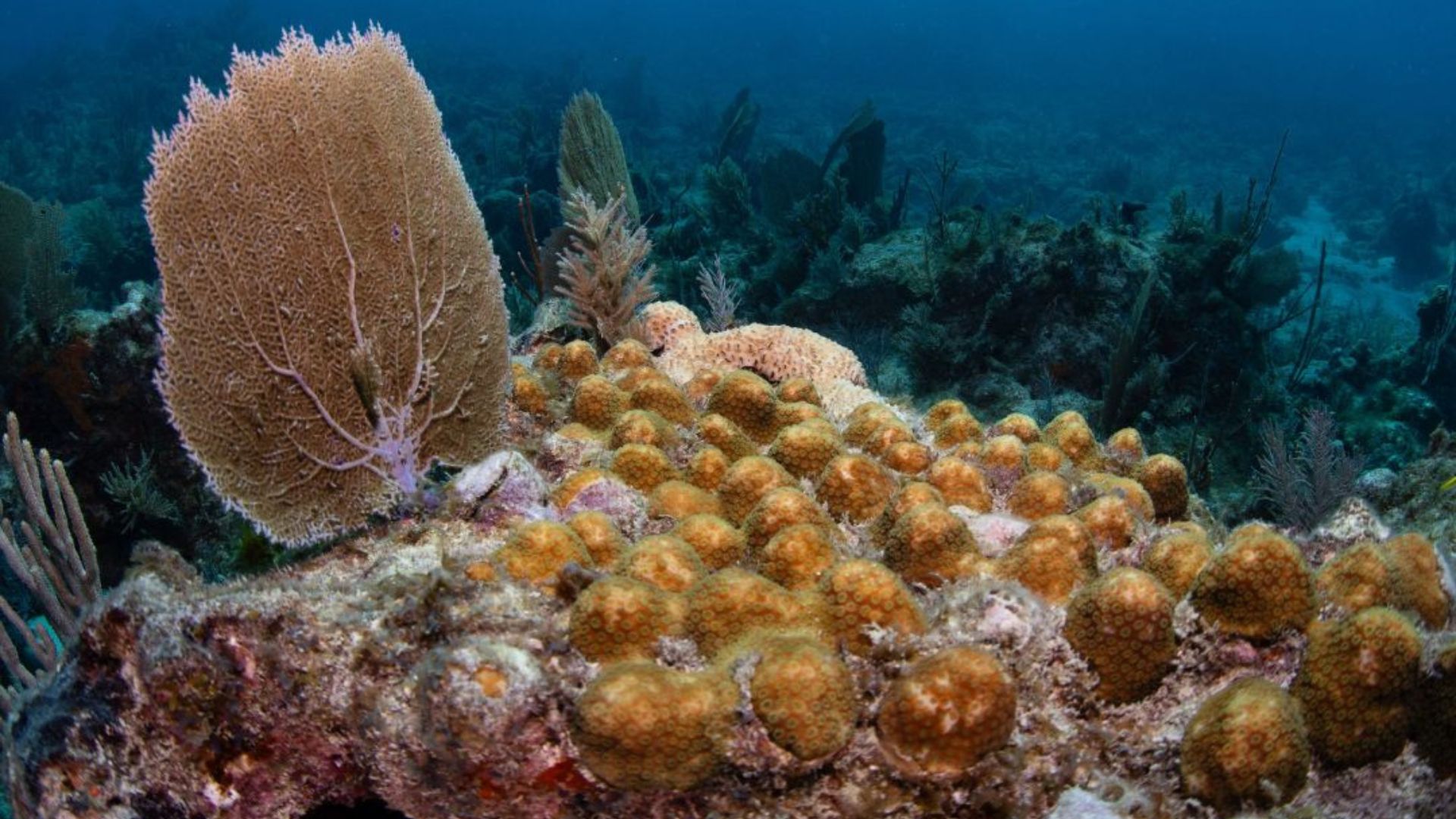
For years, Tourist Development Council funding has played an important role in supporting CRF’s restoration efforts, helping ensure that tourism dollars are reinvested in the reefs that underpin the region’s economy, culture and way of life. This long-standing partnership has been central to sustaining restoration activities at the scale CRF operates today, alongside the diverse network of funders and partners who share a commitment to Florida’s coral reef.
As restoration practitioners confront the realities of a rapidly changing ocean, CRF continues to adapt its approaches, returning a diverse mix of coral species to reefs, advancing new restoration techniques and helping preserve the ecological foundations of the Keys. Sustained investments from partners like TDC represent a long-term commitment to the future of the reef and the communities that depend upon it.