



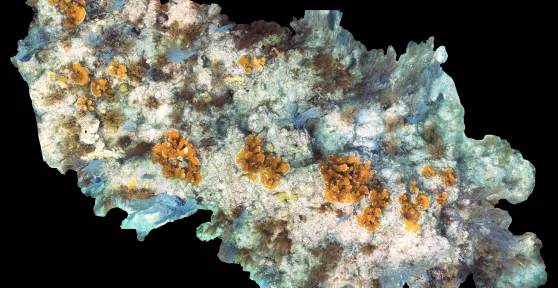
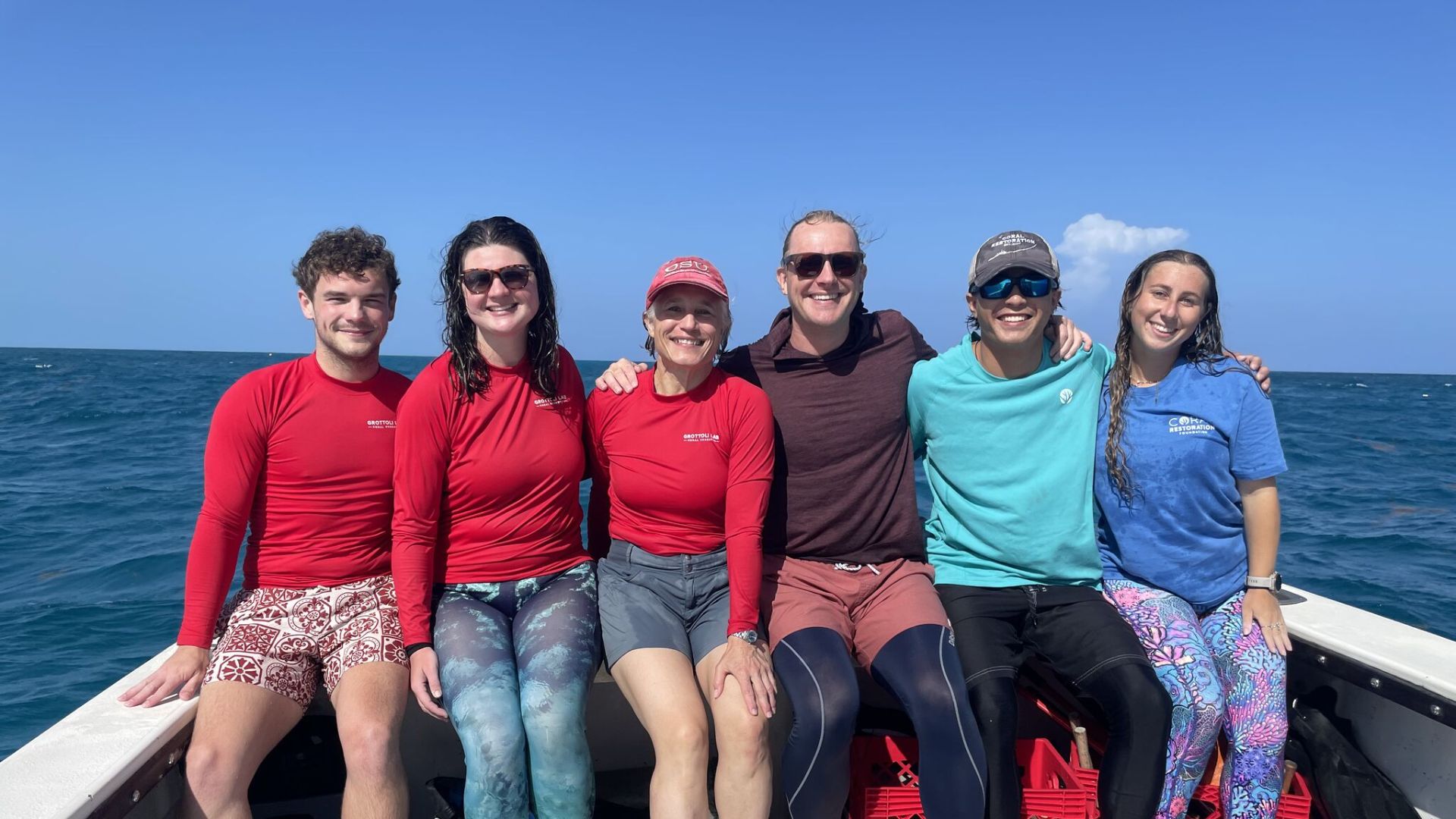
Earlier this month, Coral Restoration Foundation™ welcomed back Dr. Andréa Grottoli and her team from Ohio State University to launch the next phase of collaborative UZELA™ research in the Florida Keys.
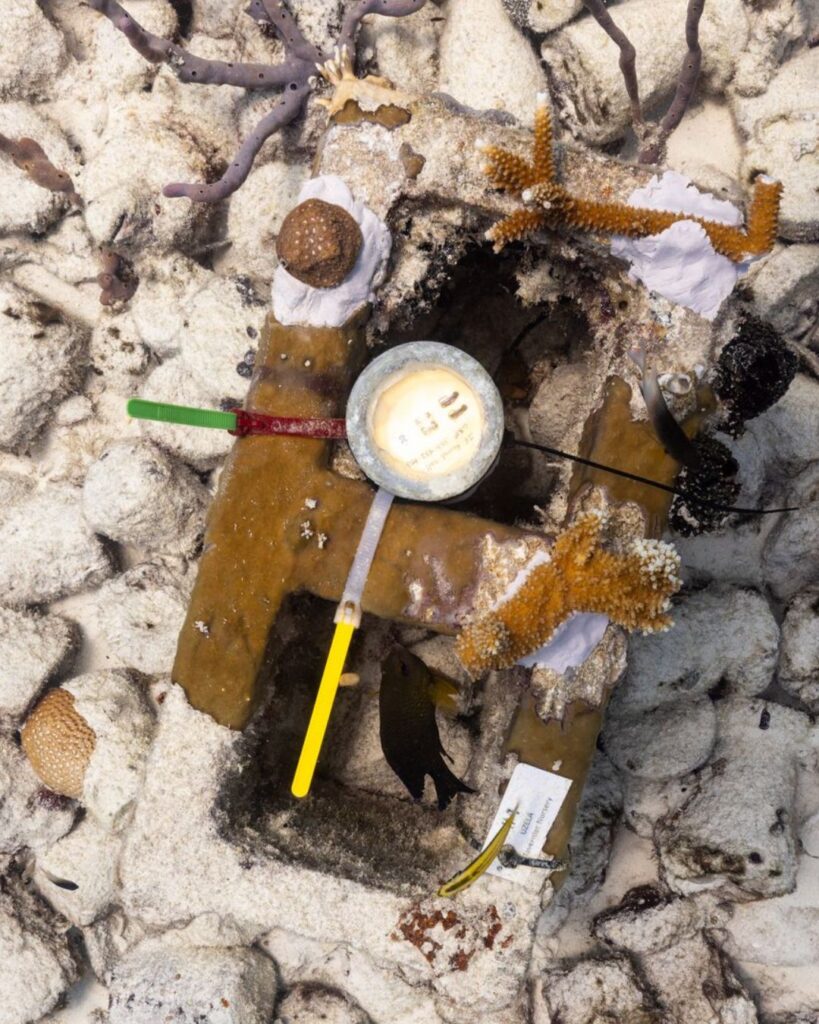
UZELA (Underwater Zooplankton Enhancement Light Array) is a technology device designed to attract naturally occurring zooplankton and enhance coral feeding.
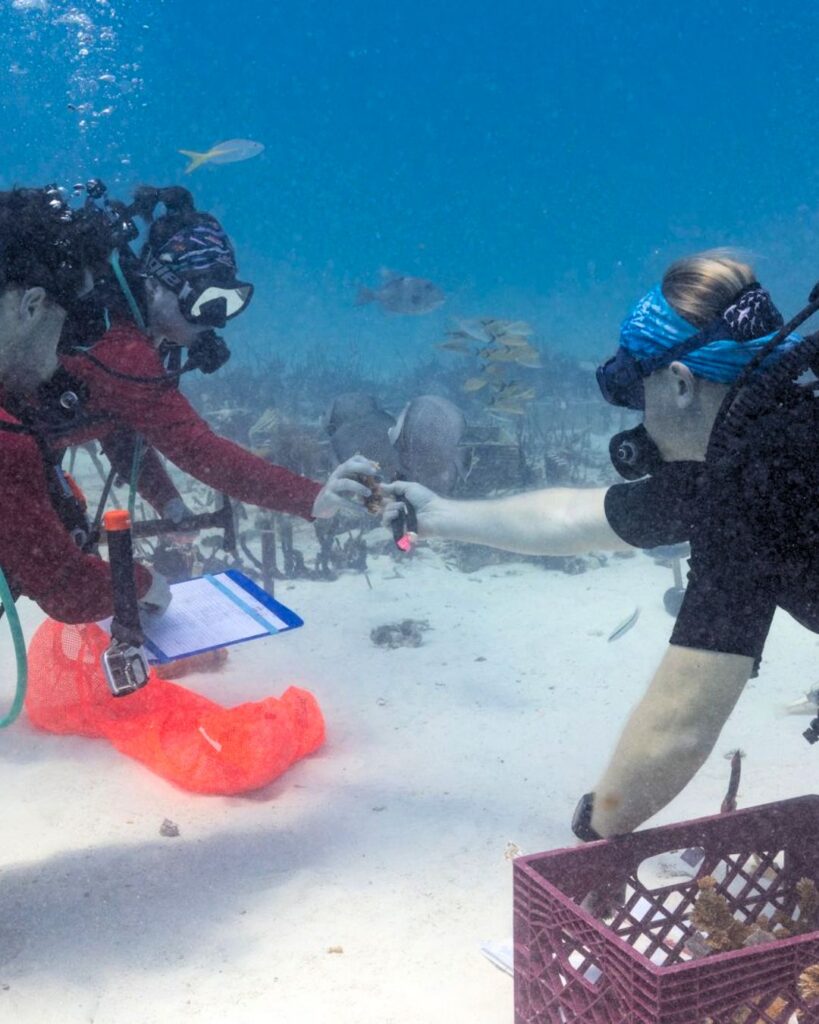
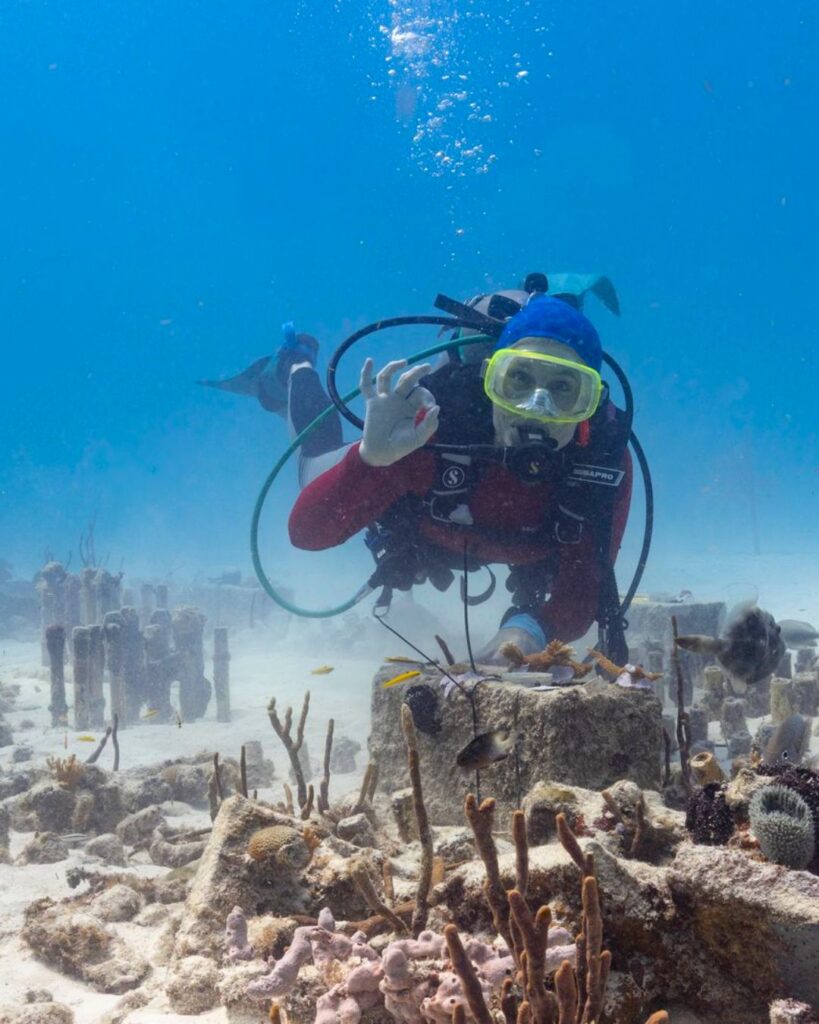
Using a newly developed model of UZELA, the team worked alongside CRF Science Program Manager Alex Neufeld to install the devices on the rubble pile adjacent to one of our coral nurseries. After carefully photographing and measuring nursery-grown corals, our teams worked together to outplant them around the newly installed UZELAs to investigate whether enhanced access to this natural food source can improve the health and performance of corals after they are returned to the ‘reef’.
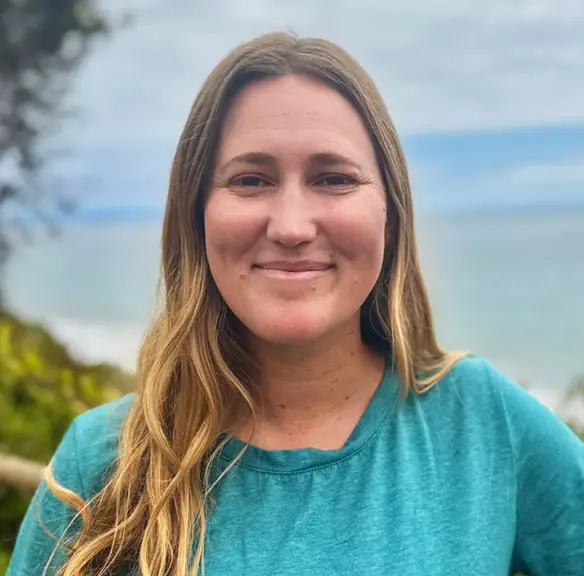
“The next phase of our collaborative research with Coral Restoration Foundation takes our evaluation of the benefits of UZELA for coral restoration to the next level.” – Dr. Andréa Grottoli
Building on Promising Results
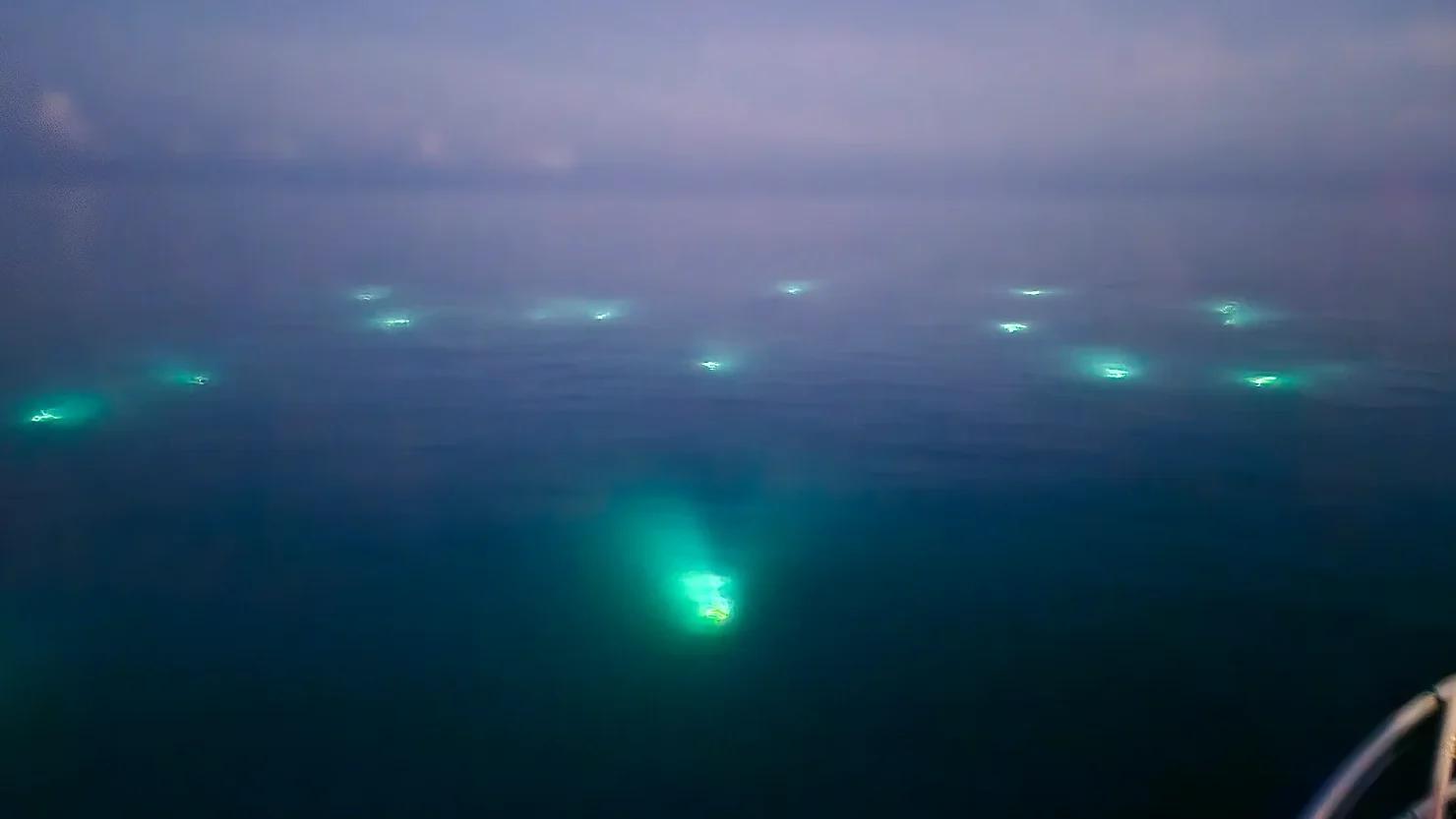
This latest field study builds on several years of research exploring how enhanced coral feeding can support coral health and restoration. Developed by Dr. Andréa Grottoli and her team, UZELA is designed to emit a low-intensity light for a period of time around dusk that attracts naturally occurring zooplankton, giving corals greater access to an important natural food source.
The collaboration with Coral Restoration Foundation began in 2024, when Dr. Grottoli’s team first traveled to the Florida Keys to launch the initial nursery-based UZELA study.
The results so far have been encouraging. Previous research found that UZELA doubled the survivorship of juvenile corals and quadrupled their growth. Additional studies have also shown increased growth in Acropora palmata. Ongoing research continues to explore its potential to improve coral health in both Florida and the Red Sea.
These promising findings have led to this next phase of the collaboration with Coral Restoration Foundation. By studying corals after they have been outplanted, our research teams hope to better understand whether the benefits of enhanced feeding can help support corals as they establish themselves in their natural environment.
Exploring UZELA’s Impact on Outplanted Corals
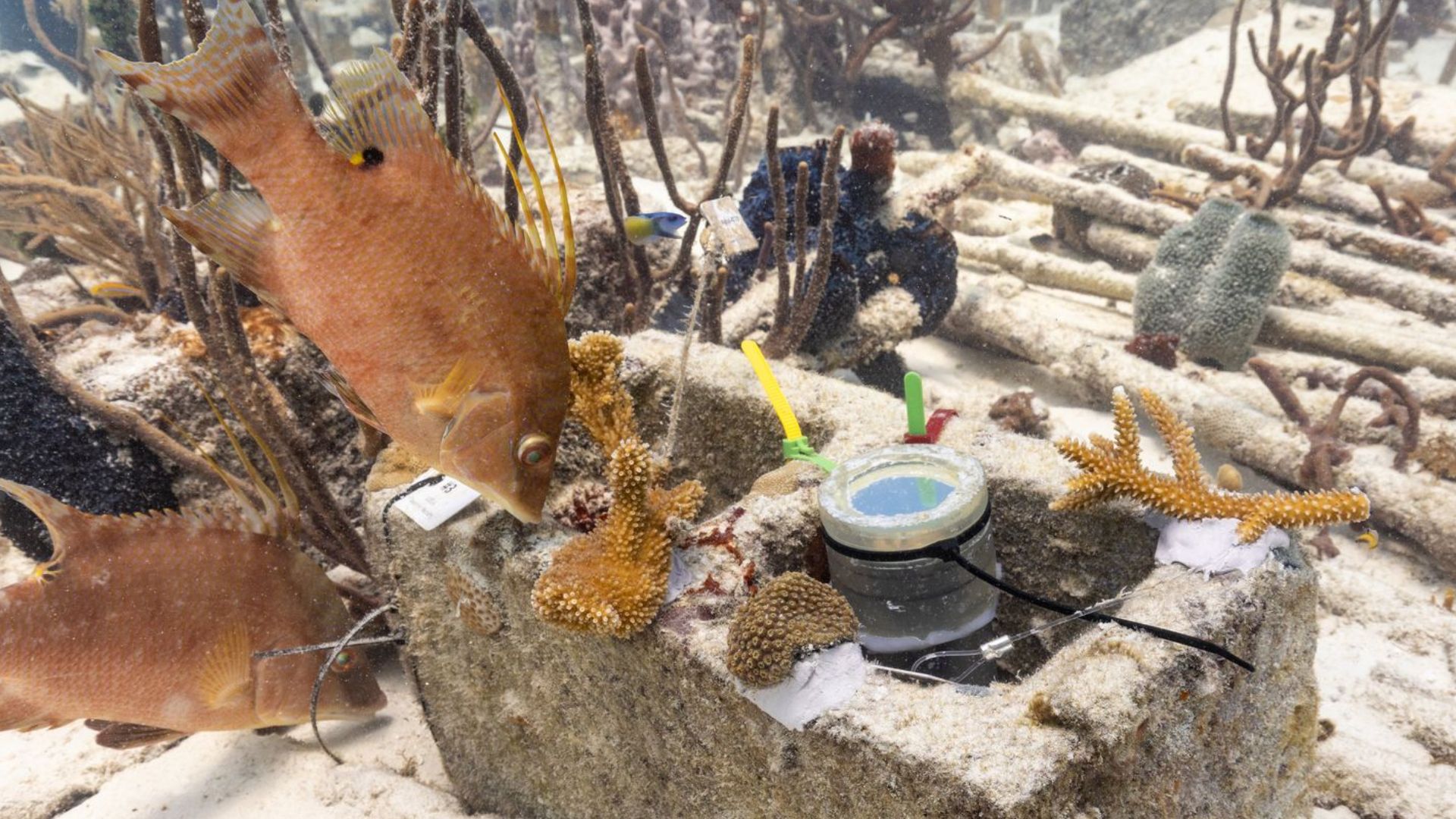
With the UZELAs now installed and the corals outplanted, the next phase of the research begins.
This new field study will help researchers evaluate how UZELA may influence corals after they have been outplanted, expanding the collaboration beyond the coral nursery for the first time. The findings will help determine how much this technology can enhance coral restoration.
As the collaboration continues, each new phase brings researchers one step closer to understanding how innovative tools like UZELA can complement existing restoration techniques and help build more resilient coral reefs for the future.
“We have already demonstrated that UZELA results in greater coral growth in the nursery. Now, we are taking the next logical step and testing the efficacy of UZELA in a simulated outplanting within the Tavenier nursery. The findings from this work will allow us to determine how best to optimize UZELA use in both nurseries and at outplanted sites to maximize restoration success.” – Dr. Andréa Grottoli
Learn More About Research Collaborations with CRF
At Coral Restoration Foundation, we believe that collaboration drives innovation. By collaborating with leading researchers and institutions, we support groundbreaking science that advances coral restoration techniques, enhances genetic diversity, and builds resilience for coral reefs around the world.