





Why Diver Behavior Matters Around Coral Reefs
Coral reefs are some of the most diverse and valuable ecosystems on the planet, supporting marine life, protecting coastlines, and sustaining communities around the world. At Coral Restoration Foundation™, we work every day to restore and protect these ecosystems because healthy reefs are essential to healthy oceans.
Because corals are incredibly fragile, they can be easily damaged by human activity, including recreational diving. Even small, unintentional actions like accidental contact with coral, poor buoyancy control, or stirred up sediment can place added stress on reefs that are already facing challenges from climate change, disease, and pollution.
The good news is that responsible diving practices can make a meaningful difference. By developing strong scuba skills (like the ones detailed below), divers can help reduce stress on coral reefs. At Coral Restoration Foundation, we believe that becoming a better diver also means becoming a better steward of the ocean, helping preserve coral reefs for future generations.
Master Buoyancy Control
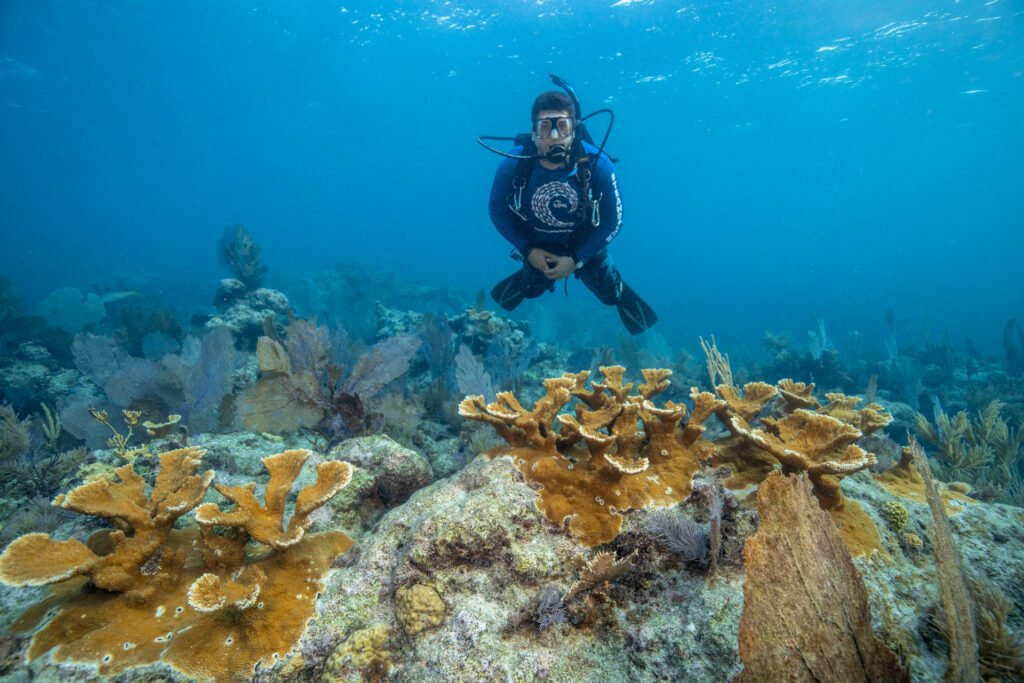
Strong buoyancy control is one of the most important skills for protecting coral reefs while scuba diving. Maintaining neutral buoyancy helps divers avoid accidental contact with corals and prevents sediment from being stirred up near the reef. By practicing proper weighting, controlled breathing, and slow movements underwater, divers can reduce their impact and help protect the reefs they explore.
Maintain Awareness Underwater
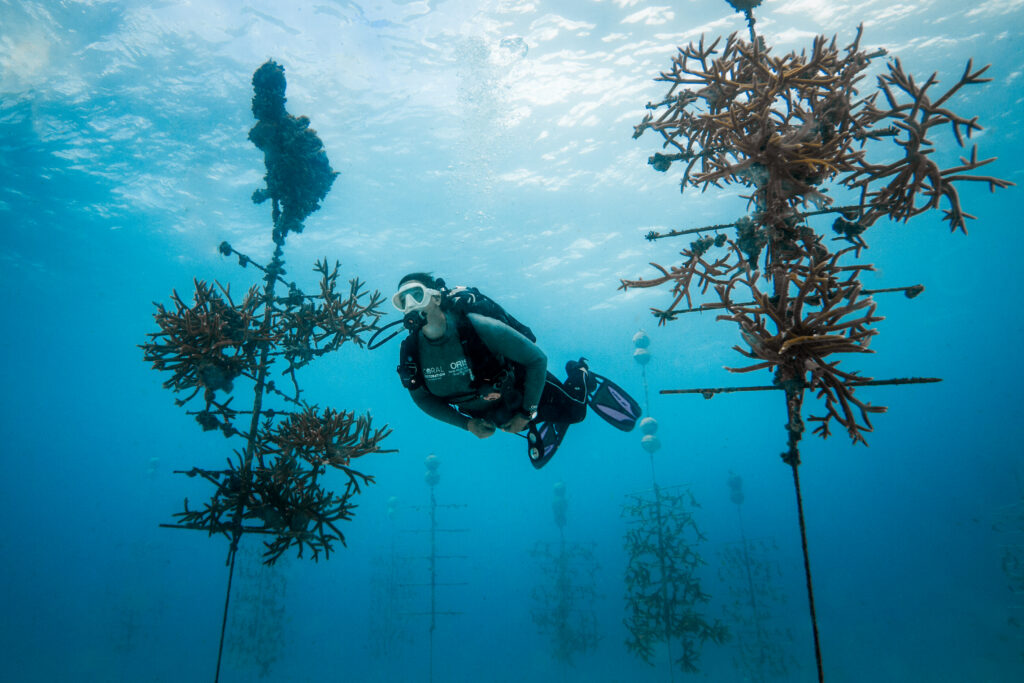
Staying aware of your surroundings is an important part of protecting coral reefs while diving. Divers should make sure gauges, cameras, and other equipment are properly secured to avoid accidental contact with coral. Staying horizontal in the water, avoiding powerful downward kicks near coral, and making controlled movements can also help protect fragile reef structures.
Divers should also stay aware of underwater conditions like currents and surge. While taking underwater photos, avoid tunnel vision in order to remain mindful of both the reef and nearby marine life throughout the dive. Giving marine life plenty of space also helps minimize stress on sensitive reef ecosystems while creating a safer and more respectful dive experience.
Follow Local Reef Protection Guidelines
Many coral reef diving destinations have local guidelines designed to help protect marine ecosystems. Divers should listen carefully to dive briefings, respect marine protected areas, use mooring buoys instead of anchors when available, avoid touching wildlife, and never remove anything from the reef. Supporting environmentally responsible dive operators and local conservation efforts (through programs like Green Fins) can also help protect coral reefs for future generations.
Gain New Skills Through Additional Dive Courses
Continuing dive education can help divers build stronger underwater habits while learning more about marine conservation and coral reef protection. Many dive courses focus on skills that support safer and more responsible reef exploration, including:
Join a Coral Restoration Dive Program!
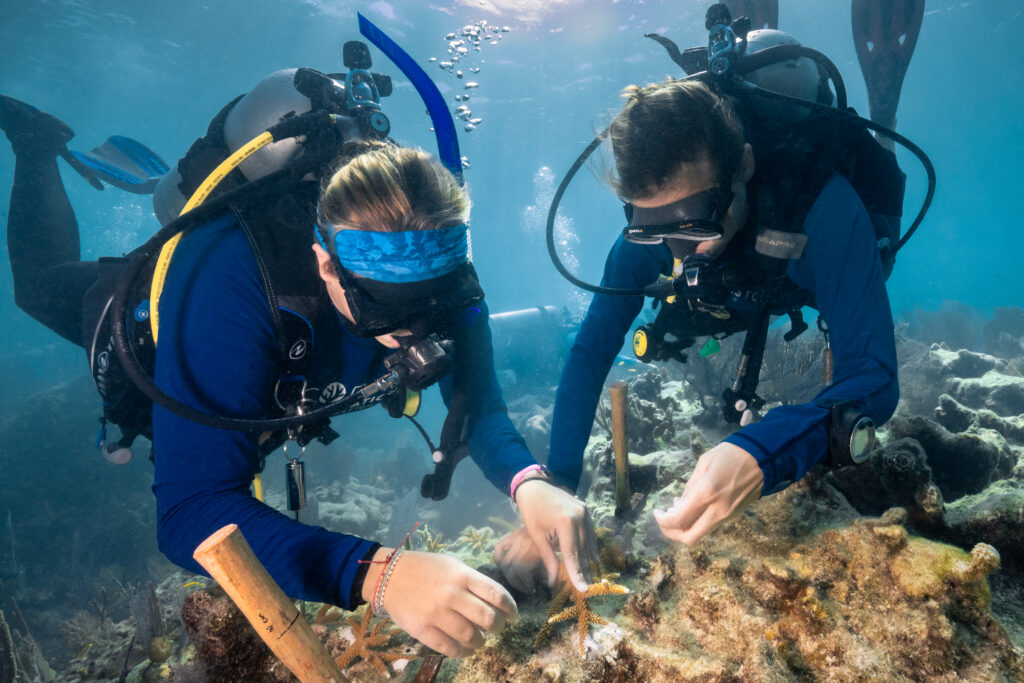
At Coral Restoration Foundation, we believe recreational divers can play an important role in protecting and restoring coral reefs. Through our Dive & Snorkel Programs in the Florida Keys, participants have the opportunity to experience hands-on conservation work while learning more about the challenges facing coral reef ecosystems. From visiting coral nurseries to observing outplanting efforts, these experiences help connect divers directly to reef restoration in action.
By combining responsible diving practices with active participation in conservation efforts, recreational divers can help support a positive future for coral reefs.